Gum Cancer vs Gum Disease: Key Differences Every Patient Should Know
Introduction
Many patients experiencing gum pain, bleeding, or swelling often wonder, is gum cancer curable or could their symptoms simply be related to gum disease? The truth is that both conditions can affect the gums in similar ways at the beginning, which is why they are often confused. However, gum cancer and gum disease are very different conditions in terms of cause, severity, progression, and treatment outcomes.
Gum disease is common and usually manageable with proper oral hygiene and dental care. Gum cancer, on the other hand, is a serious form of oral cancer that can become life-threatening if not diagnosed early. Understanding the key differences between these two conditions is essential for early detection, timely treatment, and better long-term health outcomes.
This guide explains how to distinguish gum cancer from gum disease, what symptoms to watch for, and when to seek immediate medical attention.
What Is Gum Disease?
Gum disease, also known as periodontal disease, is a bacterial infection that affects the tissues supporting the teeth.
Causes of Gum Disease
Gum disease typically develops due to plaque buildup on teeth and gums. Plaque contains harmful bacteria that irritate gum tissue and lead to inflammation.
Common causes include:
- Poor oral hygiene
- Infrequent brushing or flossing
- Smoking or tobacco use
- Diabetes
- Hormonal changes
- Genetic predisposition
Types of Gum Disease
Gum disease generally progresses in stages:
Gingivitis (Early Stage)
- Mild gum inflammation
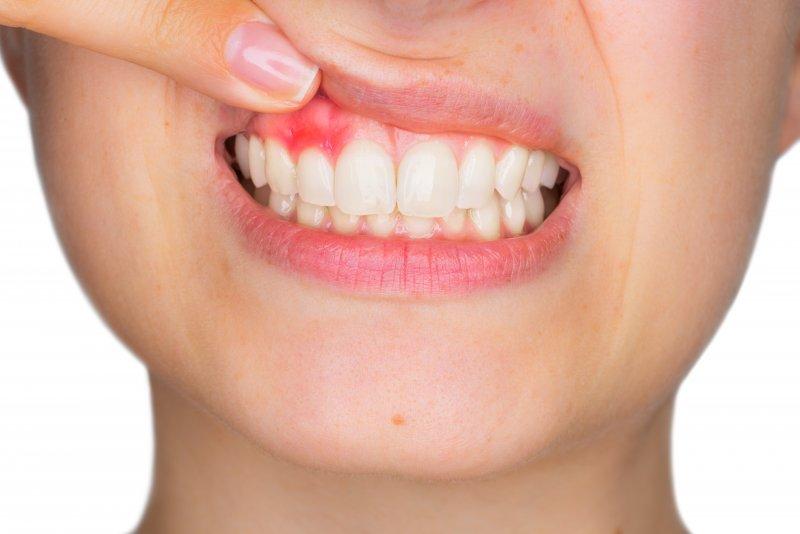
- Red or swollen gums
- Bleeding while brushing
- Reversible with proper care
Periodontitis (Advanced Stage)
- Gum recession
- Loose teeth
- Bone loss around teeth
- Persistent bad breath
- Risk of tooth loss
Unlike cancer, gum disease is usually treatable and reversible in early stages.
What Is Gum Cancer?
Gum cancer is a type of oral cancer that begins in the tissues of the gums. It occurs when abnormal cells grow uncontrollably and form tumors in the oral cavity.
Causes of Gum Cancer
Gum cancer is linked to:
- Tobacco use (smoking or chewing)
- Heavy alcohol consumption
- Human papillomavirus (HPV)
- Chronic irritation in the mouth
- Poor nutrition
- Weakened immune system
Unlike gum disease, gum cancer is not caused by bacteria but by genetic mutations in cells.
How Gum Cancer Develops
Gum cancer often begins as small changes in the gum tissue that may appear harmless. Over time, these abnormal cells multiply and form lesions or tumors that can spread to surrounding tissues and lymph nodes.
Gum Cancer vs Gum Disease: Key Differences
Although both conditions affect the gums, they differ significantly in cause, progression, and risk level.
Cause of the Condition
Gum Disease
- Caused by bacterial infection
- Linked to plaque and poor hygiene
Gum Cancer
- Caused by abnormal cell growth
- Linked to genetic mutations and carcinogens
Appearance and Early Symptoms
Gum Disease Symptoms
- Red or swollen gums
- Bleeding during brushing
- Bad breath
- Gum sensitivity
- Receding gums
Gum Cancer Symptoms
- Persistent sore that does not heal
- White or red patches on gums
- Thickened or hard gum tissue
- Unexplained bleeding
- Lump or growth on gums
- Pain that does not go away
One of the biggest differences is persistence—gum cancer symptoms do not improve with routine dental care.
Pain and Progression
Gum Disease
- Mild to moderate discomfort
- Symptoms improve with treatment
- Slow progression
Gum Cancer
- May start painless
- Pain increases as cancer grows
- Rapid progression if untreated
- Can spread to jaw, lymph nodes, and other areas
Healing Response
Gum Disease
- Improves with brushing, flossing, and dental cleaning
- Responds well to antibiotics and scaling
Gum Cancer
- Does not heal on its own
- Does not respond to antibiotics
- Requires medical intervention such as surgery, radiation, or chemotherapy
Bleeding Patterns
Gum Disease
- Bleeding occurs during brushing or flossing
- Often associated with inflammation
Gum Cancer
- Spontaneous bleeding without brushing
- May occur from tumors or lesions
- Often persistent and unexplained
Swelling and Tissue Changes
Gum Disease
- Soft, inflamed gums
- Swelling is usually reversible
Gum Cancer
- Hard, irregular masses
- Thickened or ulcerated tissue
- Possible jaw involvement in advanced stages
Risk Level and Complications
Gum Disease
If untreated, gum disease can lead to:
- Tooth loss
- Bone deterioration
- Chronic bad breath
- Systemic inflammation
However, it is generally manageable with dental care.
Gum Cancer
If untreated, gum cancer can lead to:
- Spread to lymph nodes
- Jawbone destruction
- Difficulty eating and speaking
- Metastasis to other organs
- Life-threatening complications
Gum cancer requires immediate medical attention.
How Doctors Diagnose the Two Conditions
Correct diagnosis is essential because symptoms often overlap in early stages.
Diagnosis of Gum Disease
Dentists typically perform:
- Dental examination
- X-rays to check bone loss
- Gum pocket measurements
- Plaque assessment
Diagnosis of Gum Cancer
Doctors may use:
- Physical oral examination
- Biopsy of suspicious tissue
- Imaging tests (CT, MRI, PET scans)
- Lymph node evaluation
A biopsy is the most definitive test for gum cancer.
Treatment Differences
Treatment varies greatly depending on the condition.
Gum Disease Treatment
Early Stage
- Improved oral hygiene
- Professional cleaning (scaling and polishing)
- Antibacterial mouthwash
Advanced Stage
- Deep cleaning (root scaling)
- Antibiotics
- Possible surgical intervention
Gum disease is often reversible with proper care.
Gum Cancer Treatment
Early Stage
- Surgical removal of tumor
- Localized radiation therapy
Advanced Stage
- Surgery + radiation combination
- Chemotherapy
- Targeted therapy
- Immunotherapy in some cases
Early detection greatly improves survival rates.
When to See a Doctor
You should seek medical attention if you notice:
- A sore in the mouth that does not heal after 2 weeks
- Hard lumps on gums
- Persistent gum bleeding
- White or red patches
- Difficulty chewing or swallowing
- Unexplained mouth pain
Early evaluation can help distinguish between gum disease and cancer.
Prevention Tips for Both Conditions
Although gum disease and gum cancer are different, good oral care reduces risk for both.
Oral Hygiene Practices
- Brush twice daily
- Floss regularly
- Use antiseptic mouthwash
Lifestyle Changes
- Quit smoking
- Limit alcohol consumption
- Eat a balanced diet
- Stay hydrated
Regular Dental Visits
- Routine dental checkups help detect both gum disease and early signs of oral cancer.
Why Early Detection Matters
Early diagnosis plays a critical role in outcomes.
For Gum Disease
- Prevents tooth loss
- Stops progression to periodontitis
For Gum Cancer
- Improves survival rates
- Allows less aggressive treatment
- Reduces risk of metastasis
Living With Gum Health Concerns
Whether dealing with gum disease or suspected cancer, emotional and physical support is important.
Supportive Care Includes
- Dental specialists
- Oncologists (for cancer cases)
- Nutritional guidance
- Pain management
- Psychological support
Early care improves both health and quality of life.
Conclusion
Understanding the differences between gum cancer and gum disease is essential for protecting oral health. While gum disease is common and often reversible with proper dental care, gum cancer is a serious condition that requires immediate medical attention and specialized treatment. Recognizing symptoms early, especially those that do not improve over time, can make a significant difference in outcomes and survival.
For individuals seeking advanced treatment options and contributing to medical advancements in oral health, it may be beneficial to participate in oral cancer research in Nebraska.