


From Tiny Fruits to Giant Watermelons: Why This Simple Puzzle Game Will Hook You for Hours
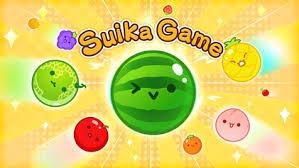
Have you ever wondered what would happen if Tetris had a baby with fruit salad? Well, wonder no more! The internet's latest obsession is a delightfully addictive puzzle game that transforms the simple act of dropping fruit into an unexpectedly challenging brain teaser. Let me introduce you to the wonderful world of watermelon puzzles, where physics meets produce in the most entertaining way possible.
What Makes This Game So Special?
Suika Game has taken the gaming world by storm, and for good reason. Unlike traditional puzzle games that rely on matching colors or clearing lines, this Japanese creation brings something refreshingly different to the table. The concept is beautifully simple: drop fruits into a container, watch them merge when identical fruits touch, and work your way up the evolutionary chain from tiny grapes to magnificent watermelons.
What sets this apart from other puzzle games is its unpredictable physics engine. Each fruit bounces, rolls, and settles according to realistic physics, making every drop feel consequential. You can't simply plan three moves ahead like in traditional puzzle games – you need to adapt to how the fruits actually behave in their confined space.
How to Play This Fruity Challenge
Getting started couldn't be easier, but mastering the game is an entirely different story. You begin by dropping small fruits – typically grapes or cherries – from the top of a circular container. When two identical fruits touch, they magically combine into the next fruit in the progression: grapes become strawberries, strawberries become oranges, and so on, all the way up to the coveted watermelon.
The progression follows a logical size pattern, with each merged fruit being larger than its predecessors. This creates an interesting strategic element because while you want to merge fruits to clear space, each merger also creates a bigger object that takes up more room in your limited container.
The game ends when fruits pile up and overflow the top of the container. Your score depends on how many successful mergers you achieve, with larger fruits contributing exponentially more points. Creating a watermelon feels like winning the lottery, but the real challenge lies in creating multiple large fruits without running out of space.
The controls are wonderfully intuitive – simply click or tap where you want the next fruit to drop. However, don't let this simplicity fool you into thinking the game is easy. The physics-based movement means fruits can roll into unexpected positions, creating opportunities or disasters with equal likelihood.
Strategies for Fruit-Stacking Success
After countless hours of gameplay (purely for research purposes, of course!), I've discovered several strategies that can dramatically improve your performance. First, always aim to keep your largest fruits along the container's edges. The curved walls help prevent them from rolling around and disrupting your carefully planned arrangements.
Try to work on multiple merger chains simultaneously rather than focusing on one area. This approach gives you more flexibility when the physics don't cooperate with your plans. If you have several small fruits scattered around, you can capitalize on whichever merger opportunity presents itself first.
Patience is absolutely crucial in this game. It's tempting to drop fruits quickly, but taking a moment to consider the physics of each drop pays dividends. Watch how existing fruits might shift when your new fruit lands, and try to predict where everything will settle.
One counterintuitive tip: don't always go for the biggest possible merger immediately. Sometimes it's better to let smaller fruits accumulate so you can create multiple medium-sized fruits rather than one large fruit that dominates your space.
Why This Game Hits Different
What makes watermelon puzzle games like Suika Game so compelling is their perfect balance of skill and chance. You can develop strategies and improve your technique, but the physics engine ensures that no two games play out identically. This combination creates that magical "just one more game" feeling that keeps players coming back.
The satisfaction of watching two oranges merge into an apple, or better yet, seeing a perfectly timed drop create a cascade of multiple mergers, provides genuine dopamine hits. It's puzzle gaming at its purest – easy to understand, impossible to fully master, and endlessly entertaining.
Give it a try, and prepare to lose track of time in the most delightful way possible!