


How BIM Design Services Improve Project Accuracy in Oregon
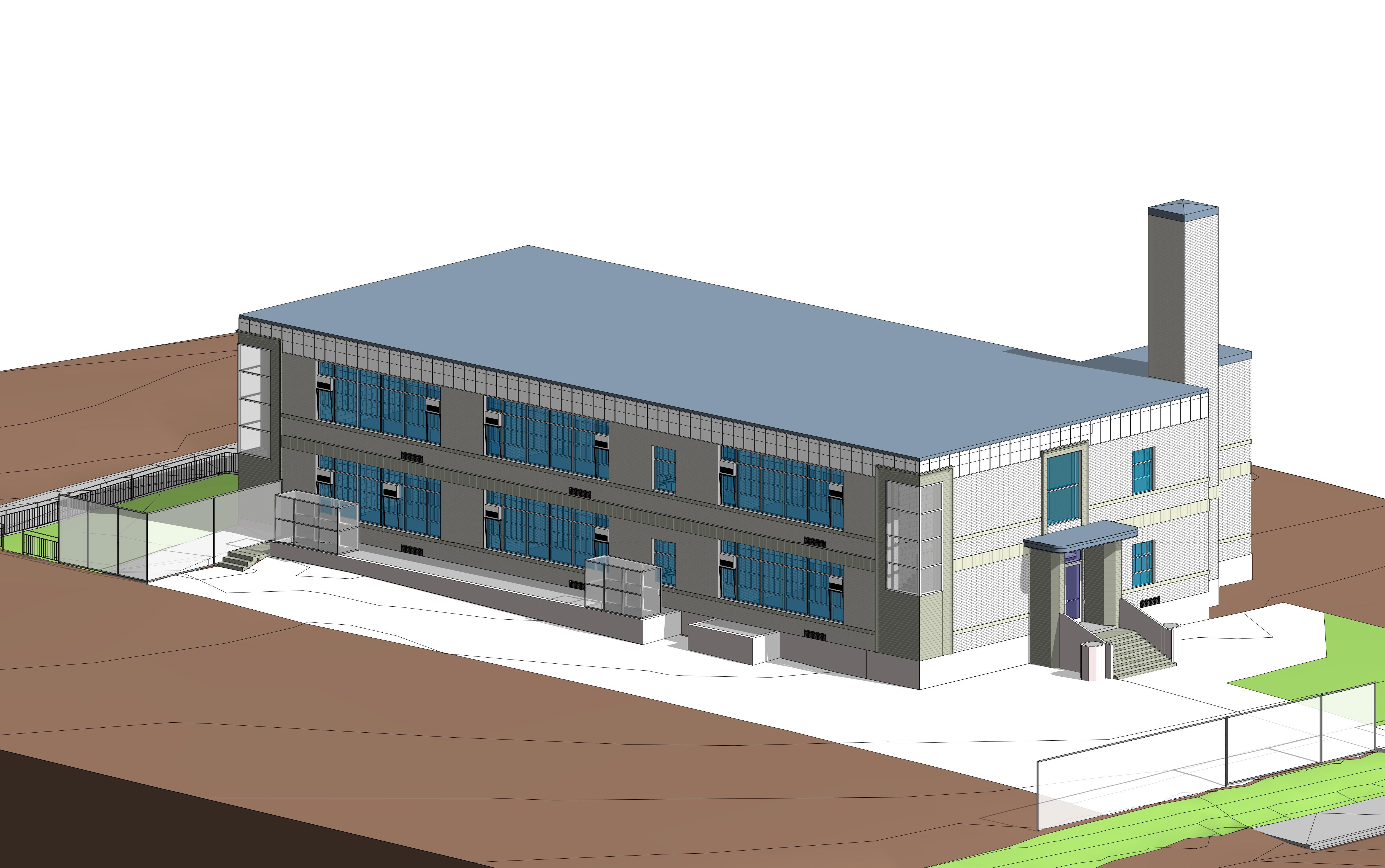
Construction projects have never been simple. But the margin for error has grown increasingly narrow. Inaccurate measurements, miscommunication between teams, and unforeseen clashes can derail timelines and inflate budgets. For contractors and architects across Oregon, the stakes are high—especially when working on complex commercial builds or critical infrastructure upgrades.
BIM design services in Oregon are changing that equation. Building Information Modeling (BIM) offers a smarter, more precise approach to design and construction. By creating intelligent 3D models that contain detailed data about every component, BIM minimizes guesswork and helps teams anticipate problems before they become costly mistakes. From Portland's urban redevelopments to Eugene's sustainable housing projects, Oregon's construction landscape is reaping the rewards of this technology.
This post explores how BIM improves project accuracy, the tangible benefits it delivers to Oregon contractors, and practical steps for integrating it into your workflow.
From 2D Drafting to Intelligent 3D Modeling
Traditional 2D blueprints have served the construction industry for decades. But they come with inherent limitations. Flat drawings can't capture spatial relationships or reveal conflicts between systems. They require extensive interpretation, leaving room for errors that only surface during construction—when fixing them is expensive.
BIM takes a fundamentally different approach. Instead of static drawings, it creates dynamic, data-rich models. Every element—from structural beams to HVAC ducts—exists as an intelligent object with properties like dimensions, materials, and cost. This allows teams to visualize the entire project in three dimensions, rotate views, and simulate real-world scenarios.
The shift from 2D to 3D isn't just about prettier renderings. It's about accuracy. When you can see how a plumbing line intersects with an electrical conduit before breaking ground, you avoid rework. When material quantities are calculated automatically from the model, your estimates become reliable. This level of precision transforms how projects are planned and executed.
Key Benefits of BIM for Oregon Contractors
Clash Detection
One of BIM's most powerful capabilities is clash detection. The software automatically identifies conflicts between different building systems—like a steel column occupying the same space as a ventilation shaft. Traditional methods might not catch these issues until construction crews are on-site, leading to delays and change orders.
With BIM, clashes are resolved digitally. Teams can adjust designs, test alternatives, and coordinate trades before any physical work begins. For Oregon contractors juggling tight schedules and multiple subcontractors, this early problem-solving is invaluable.
Cost Estimation
Accurate budgeting starts with accurate data. BIM models contain detailed information about every material and component, enabling precise quantity takeoffs. Rather than manually measuring from drawings and hoping your calculations are correct, you can extract quantities directly from the model.
This reduces the risk of over-ordering or running short on materials. It also makes it easier to evaluate cost implications when design changes occur. If a client wants to upgrade finishes or adjust layouts, you can assess the financial impact immediately.
Material Waste Reduction
Sustainability matters in Oregon. The state has ambitious environmental goals, and construction is a major contributor to waste. BIM helps contractors minimize material waste through better planning and fabrication.
Prefabrication is a prime example. With precise measurements from the BIM model, components can be manufactured off-site to exact specifications. This reduces on-site cutting, scrap, and errors. It also speeds up construction timelines, which saves money and reduces the project's environmental footprint.
Local Case Studies: BIM Success Stories in Oregon
Oregon's construction firms are already seeing results from BIM design services in Oregon. Consider infrastructure projects in Portland, where aging bridges and roadways demand careful coordination. BIM has enabled engineers to model existing conditions, plan upgrades, and coordinate utilities without disrupting traffic for extended periods.
In Eugene, commercial developers are using BIM for mixed-use buildings that combine retail, office, and residential spaces. These complex projects require tight integration between architectural, structural, and MEP (mechanical, electrical, plumbing) systems. BIM ensures that every discipline works from the same accurate model, reducing conflicts and keeping projects on schedule.
Educational institutions across the state have also adopted BIM for campus expansions. Universities need buildings that meet strict performance standards while staying within budget. BIM's ability to simulate energy performance, daylighting, and occupant comfort helps designers optimize buildings before construction begins.
These examples illustrate a broader trend. BIM design services in Oregon are no longer a luxury—they're becoming standard practice for firms that want to deliver accurate, efficient, and competitive projects.
Overcoming Implementation Hurdles
Adopting BIM requires more than purchasing software. It demands changes to workflows, training for staff, and sometimes a cultural shift within the organization. Here are practical steps for integrating BIM into your existing processes:
Start with a pilot project: Choose a mid-sized project to test BIM without overwhelming your team. This allows you to learn the tools, identify challenges, and refine your approach before scaling up.
Invest in training: BIM software is powerful but complex. Provide your team with proper training, either through vendor resources, online courses, or workshops. The upfront investment pays off in productivity and accuracy.
Establish clear standards: Define how models will be structured, named, and shared. Consistency is critical when multiple teams collaborate on a single project. Industry standards like the National BIM Standard (NBIMS) provide helpful guidelines.
Collaborate early and often: BIM works best when all stakeholders—architects, engineers, contractors, and owners—participate from the beginning. Early collaboration ensures that everyone's input shapes the model, reducing surprises later.
Leverage outsourcing when needed: Not every firm has the in-house expertise to fully implement BIM right away. Partnering with specialists like Chudasama Outsourcing can bridge the gap. Outsourcing providers offer experienced BIM professionals who can create models, perform clash detection, and support your team without the overhead of hiring full-time staff.
Building a More Accurate Future
Oregon's construction industry faces unique challenges—from seismic considerations to stringent environmental regulations. BIM design services in Oregon offer a proven way to navigate these complexities with greater precision and confidence.
The technology doesn't eliminate all risks, but it significantly reduces them. Fewer clashes mean fewer delays. Better cost estimates mean fewer budget overruns. Less material waste means more sustainable projects. Over time, these improvements compound into substantial competitive advantages.
For firms still relying on traditional methods, the transition to BIM may feel daunting. But the long-term ROI—both financial and operational—makes it worthwhile. Projects delivered on time and within budget enhance your reputation and open doors to larger, more profitable opportunities.
If you're ready to explore how BIM can transform your projects, start small. Test the tools, train your team, and don't hesitate to seek expert support. The future of construction in Oregon is built on accuracy, collaboration, and intelligent design. BIM is the foundation.