


Range Rover Engine Overheating Causes & Solutions
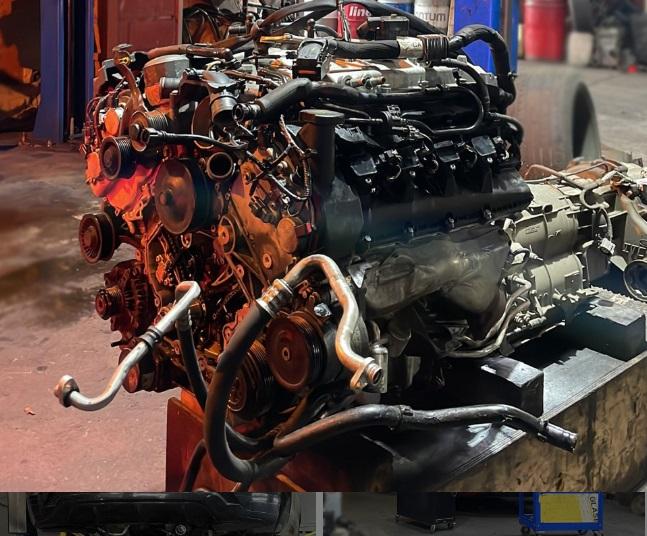
The prestige of driving a luxury SUV often comes with the responsibility of meticulous mechanical upkeep to ensure peak performance. When you notice the temperature gauge climbing, it is usually a sign that your Range Rover engine is struggling to dissipate heat effectively during your daily commute. This initial rise in temperature often stems from a cooling system that can no longer manage the thermal loads produced by a high-output powerplant. Understanding the early warning signs, such as a sweet smell of coolant or a ticking sound, allows drivers to intervene before a minor leak evolves into a catastrophic mechanical failure.
The Role of a Clogged Radiator in Thermal Management
A radiator acts as the primary heat exchanger for the vehicle, but it can easily become obstructed by road debris or internal mineral deposits. If the core becomes blocked, the Range Rover engine will lack the necessary airflow and fluid circulation required to maintain an optimal operating temperature. Over time, the delicate fins of the radiator may bend or corrode, significantly reducing the efficiency of the entire cooling loop. Regular flushing of the system is essential to prevent sludge buildup from choking the narrow passages, ensuring that your luxury vehicle remains cool even under the most demanding driving conditions or heavy towing.
Identifying Thermostat Failures and Flow Restrictions
The thermostat serves as a gatekeeper for the cooling system, regulating fluid flow based on the real-time thermal needs of the vehicle. If this component becomes stuck in the closed position, the Range Rover engine will overheat rapidly because the coolant remains trapped within the block instead of reaching the radiator. This mechanical failure is often sudden and provides little warning, making it one of the most common causes of roadside breakdowns for modern SUVs. Replacing a faulty thermostat is a relatively straightforward procedure that can prevent warped cylinder heads and other expensive repairs associated with extreme heat exposure and thermal expansion.
Monitoring Coolant Leaks from Hoses and Connections
Rubber hoses and plastic connectors are prone to degradation over time due to the constant heat cycles they endure under the hood. A small pinhole leak might seem insignificant at first, but it eventually causes the Range Rover engine to lose the pressure necessary to keep the boiling point of the coolant elevated. You might notice dried white or orange crusty deposits around connection points, which indicate a slow seep that requires immediate attention from a qualified technician. Ensuring that all clamps are tight and hoses remain pliable is a simple yet effective way to maintain the integrity of the pressurized cooling system.
Water Pump Longevity and Potential Impeller Damage
The water pump is the heart of the cooling system, responsible for circulating fluid through every internal gallery and external hose. If the internal impeller blades erode or the bearing begins to seize, the Range Rover engine will suffer from stagnant coolant that quickly reaches dangerous temperatures. Many owners choose to replace the water pump as a preventative measure during a timing belt service to avoid the risk of a mid-journey failure. A failing pump often gives a subtle warning through a low-pitched grinding noise or a visible trail of coolant weeping from the pump’s weep hole located on its housing.
Electric Cooling Fan Malfunctions in Heavy Traffic
When your vehicle is idling or moving slowly through urban environments, the electric cooling fans must pull air through the radiator to compensate for the lack of natural airflow. If the fan motor burns out or the relay fails, your Range Rover engine might only overheat when you are stopped at a red light or stuck in a traffic jam. Testing the fan operation involves checking the fuses and ensuring the blades spin freely when the air conditioning is engaged. Because these fans are controlled by the engine management system, a faulty sensor can also prevent them from activating at the correct temperature.
The Impact of a Blown Head Gasket on Performance
One of the most serious consequences of persistent overheating is the failure of the seal between the engine block and the cylinder head. When a head gasket fails, the Range Rover engine may consume coolant internally, leading to white smoke from the exhaust and a noticeable loss of power. This breach allows combustion gases to enter the cooling system, creating air pockets that further exacerbate the overheating cycle and lead to erratic temperature readings. A chemical block test can confirm the presence of exhaust gases in the reservoir, providing a definitive diagnosis before committing to an extensive and costly engine teardown.
Expansion Tank Cracks and Pressure Cap Issues
The expansion tank is designed to handle the natural expansion of coolant as it heats up, but the plastic reservoir can develop hairline fractures over years of service. If the tank cannot hold pressure, the Range Rover engine will boil its coolant at a much lower temperature than originally intended by the engineers. Similarly, a faulty pressure cap that no longer seals correctly will allow fluid to evaporate, leading to a chronically low coolant level. Inspecting the tank for signs of stress or discoloration is a vital part of a comprehensive under-hood inspection to ensure the system remains sealed and functional.
Air Pockets and the Importance of System Bleeding
After any repair that involves opening the cooling system, it is vital to remove any trapped air that could prevent proper fluid circulation. An air pocket trapped near a sensor or inside the heater core can cause the Range Rover engine to report incorrect temperatures or suffer from localized hot spots. Professional technicians use vacuum filling tools to ensure that every void is filled with the correct mixture of antifreeze and distilled water. Neglecting this step often leads to "phantom" overheating issues where the gauge spikes and drops unpredictably, confusing the driver and potentially masking a more significant mechanical problem.
Preventive Maintenance Strategies for Long Term Health
The best way to avoid a breakdown is to adhere to a strict maintenance schedule that includes regular inspections of all cooling components and fluid levels. By proactively replacing aging components, you ensure that your Range Rover engine remains protected against the destructive effects of excessive heat and internal corrosion. Investing in high-quality parts and the correct specification of coolant will pay dividends in reliability and resale value over the lifespan of the vehicle. Ultimately, staying vigilant and responding to small changes in performance will keep your luxury SUV on the road and out of the repair shop for many years.