How Light Therapy Works for Hair Loss: Science, Benefits, and Results
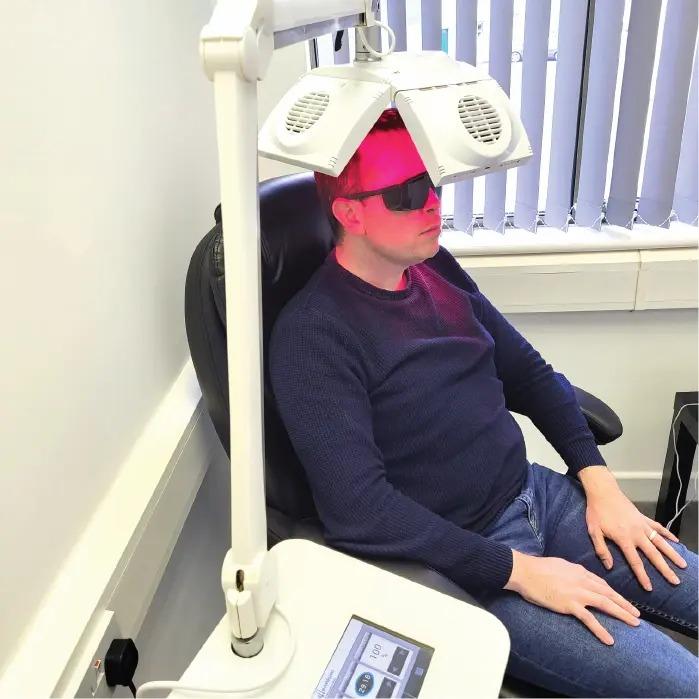
Hair loss and hair thinning affect millions of men and women worldwide, leading many to search for effective, non-invasive solutions. Among modern treatments for hair loss, light-based approaches have gained significant attention for their scientific backing and ease of use. Light therapy-often referred to as low-level laser therapy-offers a promising option for those looking to improve hair density and scalp health without surgery or medication.
This article explores how light therapy works, its benefits, and what results you can realistically expect.
Understanding Light Therapy for Hair Loss
Light therapy for hair loss typically uses red or near-infrared light at specific wavelengths to stimulate hair follicles. This approach is scientifically known as low level laser therapy hair treatment (LLLT). Unlike high-powered lasers used in medical procedures, LLLT uses low-intensity light that does not heat or damage the skin.
The light penetrates the scalp and is absorbed by cells within the hair follicles. This process helps increase cellular energy (ATP production), improve blood circulation, and reduce inflammation—factors that are essential for healthy hair growth.
The Science Behind Low-Level Laser Therapy
Hair follicles cycle through three main phases: growth (anagen), transition (catagen), and rest (telogen). In individuals experiencing hair loss or hair thinning, follicles often remain stuck in the resting phase.
Low-level laser therapy works by:
- Stimulating dormant follicles to re-enter the growth phase
- Prolonging the anagen (growth) phase
- Improving oxygen and nutrient delivery to the scalp
- Reducing oxidative stress around hair follicles
Clinical studies suggest that consistent use of LLLT can increase hair density and thickness over time, particularly for people with androgenetic alopecia (pattern hair loss).
Benefits of Light Therapy as a Hair Loss Treatment
Light therapy stands out among treatments for hair loss for several reasons:
1. Non-Invasive and Painless
Unlike surgical options, light therapy does not involve needles, incisions, or recovery time. Treatments are painless and can be performed at home or in clinical settings.
2. Suitable for Men and Women
Light therapy is effective for both genders and can be used for various forms of hair thinning, including diffuse thinning and pattern hair loss.
3. Minimal Side Effects
When used as directed, side effects are rare. Some users may experience mild scalp warmth or tingling, which typically resolves quickly.
4. Can Complement Other Treatments
Light therapy can be combined with other approaches, such as topical solutions, nutritional support, or lifestyle changes, making it a flexible treatment for hair thinning.
What Results Can You Expect?
Results from light therapy for hair loss are gradual and require consistency. Most users begin to notice reduced shedding within 8–12 weeks, followed by visible improvements in hair thickness and coverage after 4–6 months.
It’s important to note:
- Results vary depending on the cause and severity of hair loss
- Early-stage hair thinning responds better than advanced baldness
- Ongoing use is often needed to maintain results
Light therapy is not an instant cure, but for many individuals, it provides noticeable improvement when used correctly and consistently.
Who Is a Good Candidate for Light Therapy?
Light therapy works best for individuals experiencing:
- Early to moderate hair thinning
- Pattern hair loss
- Stress-related or hormonal hair shedding
Those with complete baldness or scarring alopecia may see limited benefits, as light therapy requires active or semi-active follicles to be effective.
Consulting a healthcare or hair restoration professional can help determine whether this treatment for hair thinning is right for you.
Choosing the Right Light Therapy Approach
Light therapy devices come in various forms, including caps, helmets, combs, and panels. Regardless of the format, effective devices typically use wavelengths between 630–680 nm and require use several times per week.
Consistency, correct wavelength, and treatment duration are more important than device style. Always follow manufacturer guidelines and avoid overuse.
Conclusion
Light therapy has emerged as a scientifically supported, non-invasive option among modern treatments for hair loss. By stimulating hair follicles at the cellular level, low level laser therapy hair treatments can improve hair thickness, reduce shedding, and support long-term scalp health when used consistently. For individuals seeking a gentle yet effective approach to hair restoration, light therapy can be a valuable part of a comprehensive hair care strategy—especially when paired with trusted solutions like Hair Formulas.
Frequently Asked Questions (FAQs)
1. How often should I use light therapy for hair loss?
Most protocols recommend using light therapy 2–4 times per week for 15–30 minutes per session, depending on the device.
2. Is light therapy safe for long-term use?
Yes. Low-level laser therapy is considered safe when used according to instructions and does not damage the scalp or hair follicles.
3. Can light therapy stop hair loss completely?
Light therapy can significantly reduce shedding and promote regrowth, but results depend on individual factors such as genetics and consistency of use.
4. How long does it take to see results from light therapy?
Initial improvements may appear within 2–3 months, with more noticeable hair growth typically seen after 4–6 months of regular use.