


Dental Crown Services in Blaine MN: Restoring Function and Aesthetics
TL;DR
-
Dental crowns help in restoring damaged or weakened teeth and improve both function and appearance.
-
They protect natural teeth from further damage and provide long-lasting dental solutions.
-
Consulting an experienced dentist guarantees precise fitting and maximum accuracy.
Dental crowns are used for repairing teeth that are cracked, worn, or anatomically compromised. They restore the ability to chew and speak comfortably, also enhancing the appearance of a smile.
Dental crown procedures in Blaine, MN, combine advanced techniques with personalized care to ensure each restoration meets both functional and aesthetic needs. Understanding the process, benefits, and maintenance of dental crowns can help patients make informed decisions for maintaining their long-term oral health.
When Dental Crowns are Needed?
Dental crowns in Blaine, MN, are commonly recommended in situations where a tooth has lost its primary anatomy and needs full-coverage rather than a standard filling.
-
Extensive decay: Crowns protect teeth affected by deep or widespread decay that weakens the remaining enamel and dentin.
-
Fractures or cracks: Teeth that have chipped or fractured benefit from full coverage to prevent further damage and restore chewing strength.
-
After root canal therapy: Root-canal-treated teeth often become brittle, and a crown helps maintain stability.
-
Severe enamel wear: Grinding and acid erosion can break down enamel, making crowns necessary.
-
Large or failing fillings: Teeth with oversized fillings or restorations that no longer hold properly often require a crown for support.
How Dental Crowns are Placed?
Procedures dealing with dental crowns in Blaine,MN, are completed over two appointments with careful procedures that aim for maximum accuracy and comfort.
-
Tooth preparation: The dentist reshapes the damaged tooth by removing decay and smoothing the surfaces so the crown can sit securely.
-
Impressions or scans: A digital scan or traditional mould captures the exact shape of your tooth and bite to create a precise crown.
-
Temporary crown: A short-term crown protects the prepared tooth while the permanent one is being crafted in the dental lab.
-
Crown fitting: At the second visit, the dentist checks the permanent crown’s color and fit and size before cementing it in place.
-
Final adjustments: Once bonded, the dentist makes minor refinements to ensure comfortable chewing and a natural feel.
Benefits of Dental Crowns
Dental crowns in Blaine, MN, help protect and rebuild teeth that can’t be fixed with small fillings.
-
Strengthening weakened teeth: A crown adds support to a tooth with cracks or deep decay and helps it handle daily chewing with less discomfort.
-
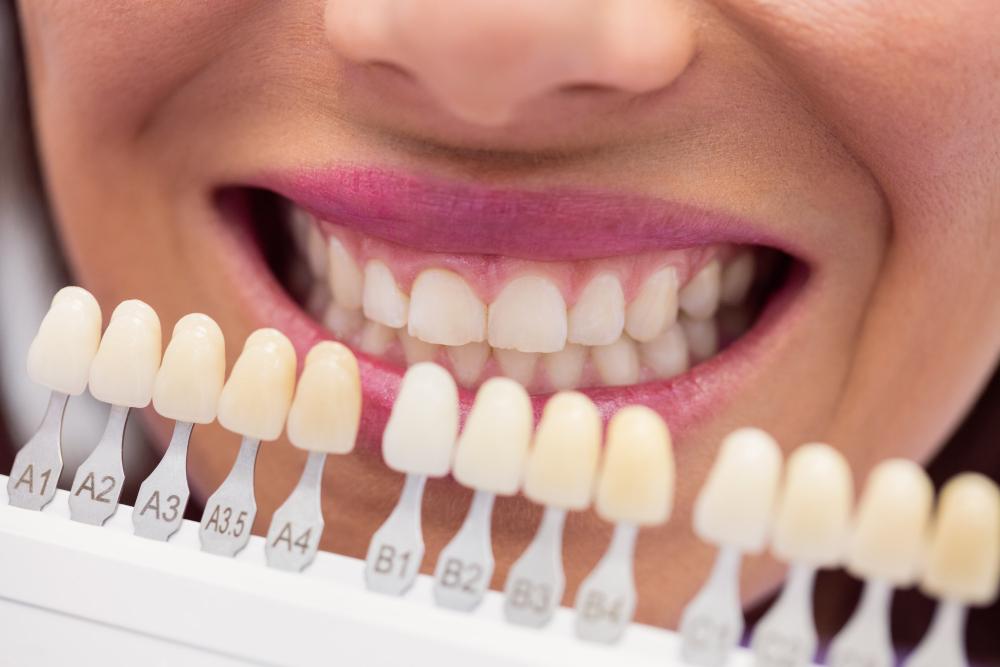
Restoring natural appearance: Each crown is shaped and shaded to match the patient’s smile, so the repaired tooth looks natural instead of noticeable.
-
Protecting after root canal therapy: Since a tooth can become more fragile after a root canal, a crown covers it fully and helps prevent chips or breaks.
-
Improving bite and comfort: By restoring the tooth’s proper height and shape, a crown helps the patient’s bite feel more even and makes chewing easier.
-
Holding bridges or implants: Crowns can anchor dental bridges or top off implants, helping replace missing teeth in a way that feels natural and comfortable.
Final Recommendations
Dental crowns offer a durable and effective solution for repairing and protecting damaged teeth. They restore chewing function and improve the overall appearance of a smile. Proper care and routine dental check-ups ensure the longevity and effectiveness of crowns, making them a long-term investment in oral health.
Partnering with gentle dentists ensures a comfortable, precise, and patient-focused experience. Skilled professionals provide tailored guidance on crown selection, fitting, and maintenance, helping patients achieve both functional and aesthetic outcomes with minimal discomfort.
Frequently Asked Questions (FAQs)
How long do dental crowns typically last?
With proper oral hygiene and regular dental visits, dental crowns can last 10–15 years or longer. Avoiding habits such as teeth grinding can further extend their lifespan.
Can dental crowns be used on both front and back teeth?
Yes. Crowns can restore both anterior and posterior teeth. For front teeth, aesthetics are prioritized, while back teeth crowns focus on strength and durability to withstand chewing forces.
What should patients expect during the dental crown procedure?
The process usually involves preparing the damaged tooth, taking impressions for a custom crown, and placing a temporary crown while the permanent one is fabricated. The final crown is then fitted, adjusted, and cemented to ensure a comfortable, precise fit.