


Do Pets Need Different Probiotic Strains Than Humans?
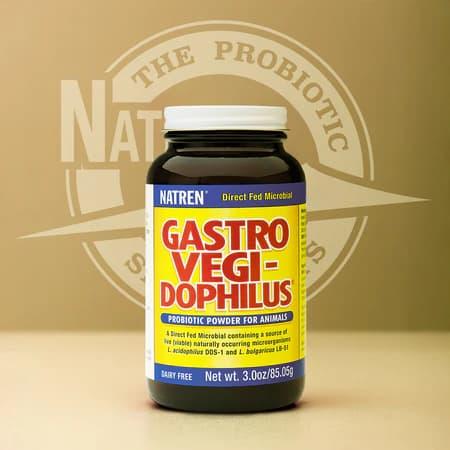
Probiotics have become a common part of wellness routines, not just for people but also for pets. As interest grows, many pet owners ask a reasonable question: if probiotics support gut health in humans, can pets take the same ones, or do they need different strains altogether? Veterinarians are increasingly clear on one point: probiotics for pets require thoughtful consideration because animal digestive systems are similar to ours, but not identical.
Understanding these differences helps pet owners make calmer, better-informed choices.
How Pet and Human Guts Are Similar, and Different
Mammals share many digestive features. Dogs, cats, and humans all rely on gut bacteria to digest food, support immune function, and regulate inflammation. This shared biology explains why some probiotic strains appear in human and animal research.
However, pets differ from humans in gut length, digestive speed, stomach acidity, and typical diet. These factors influence which bacteria thrive and how long they remain active. Because of this, probiotics for pets are not simply a scaled-down version of human supplements.
Why Strain Selection Matters More Than Labels
The word “probiotic” describes a broad category, not a single substance. Each strain behaves differently. Some support digestion, others influence immune signaling, and some affect how the gut responds to stress.
Certain strains commonly used in human probiotics are also naturally found in dogs and cats. Others are not. This is why veterinarians focus less on whether a probiotic is labeled “human” or “pet” and more on whether the strains are appropriate for animal digestion. In the context of probiotics for pets, strain compatibility matters more than branding.
Are Human Probiotics Ever Appropriate for Pets?
In some cases, yes, but with guidance. Some probiotic strains are well-studied across species and can function similarly in both humans and pets. This is why veterinarians occasionally recommend human-grade probiotics with known strain documentation rather than generic pet products.
The key distinction is dosage and formulation. Pets vary widely in size and metabolism. A dose appropriate for a human may be too much or too little for an animal. When probiotics for pets are chosen from human-grade sources, veterinarians adjust dosing carefully and monitor response.
Why Pets Often Need Targeted Support
Pets face different digestive stressors than humans. Sudden food changes, boarding, antibiotics, environmental stress, and aging all affect gut balance. These factors determine which probiotic strains are most helpful.
For example, dogs often experience digestive upset related to stress or dietary transitions. Cats may be more sensitive to changes in protein digestion. Probiotics for pets are often selected so they align with these species-specific patterns rather than general digestive support.
The Role of Diet in Strain Effectiveness
What a pet eats strongly influences how probiotics behave. Diets higher in protein and lower in fermentable fiber affect which bacteria thrive. This differs from typical human diets, which often contain more carbohydrates and plant fibers.
Because of this, strains that perform well in humans may not always behave the same way in pets. Veterinarians consider diet alongside strain selection when recommending probiotics for pets, ensuring bacteria have an environment where they can function as intended.
Antibiotics and Microbiome Recovery in Pets
Antibiotics are sometimes unavoidable in veterinary care. Like humans, pets experience a reduction in beneficial gut bacteria after treatment. Digestive upset or appetite changes may follow.
In these cases, probiotics for pets are often discussed to support microbial recovery. The goal is not to counteract medication, but to help beneficial bacteria re-establish themselves once treatment ends. Strains used for this purpose are chosen for safety and predictable behavior in animals.
Why Not All Pet Probiotics Are Equal
Pet supplements vary widely in quality. Some list bacteria without specifying strains, making it difficult to predict how they will behave. Others include strains with little research in animals.
Veterinarians tend to prefer products, human or pet, that provide clear strain information and stability data. Some quietly reference long-established probiotic manufacturers known for decades of strain research and conservative formulation when discussing options, valuing reliability over novelty.
Safety Considerations for Pets
Healthy pets generally tolerate probiotics well, but safety always comes first. Puppies, kittens, senior pets, or animals with medical conditions require extra care.
This is why probiotics for pets are best introduced gradually and with professional input. Monitoring stool quality, appetite, and behavior helps determine whether a probiotic is suitable.
Do Pets Always Need Probiotics?
No. Many pets maintain healthy digestion with balanced diets, regular routines, and minimal stress. Probiotics are not required for every animal.
Veterinarians usually discuss probiotics for pets when digestive issues recur, antibiotics are used, or lifestyle changes place added strain on the gut. This selective approach avoids unnecessary supplementation and keeps expectations realistic.
Moving Toward Smarter Supplement Choices
The growing interest in pet gut health reflects a broader shift toward prevention and balance. Rather than waiting for problems to escalate, pet owners and vets are supporting foundational systems earlier.
Understanding whether pets need different probiotic strains than humans is part of this smarter approach. The answer is not always yes or no. It depends on the strain, the animal, and the situation.
Final Thoughts
Pets and humans share many digestive similarities, but their needs are not identical. Probiotics for pets work best when strain selection, dosage, and diet are considered together.
Rather than assuming one supplement fits all, informed choices and veterinary guidance help ensure probiotics support pets safely and effectively. When used thoughtfully, probiotics become quiet allies in maintaining digestive balance, resilience, and everyday comfort for animals at every life stage.