How Real Estate Tokenization Development Is Powering Always-On Property Markets
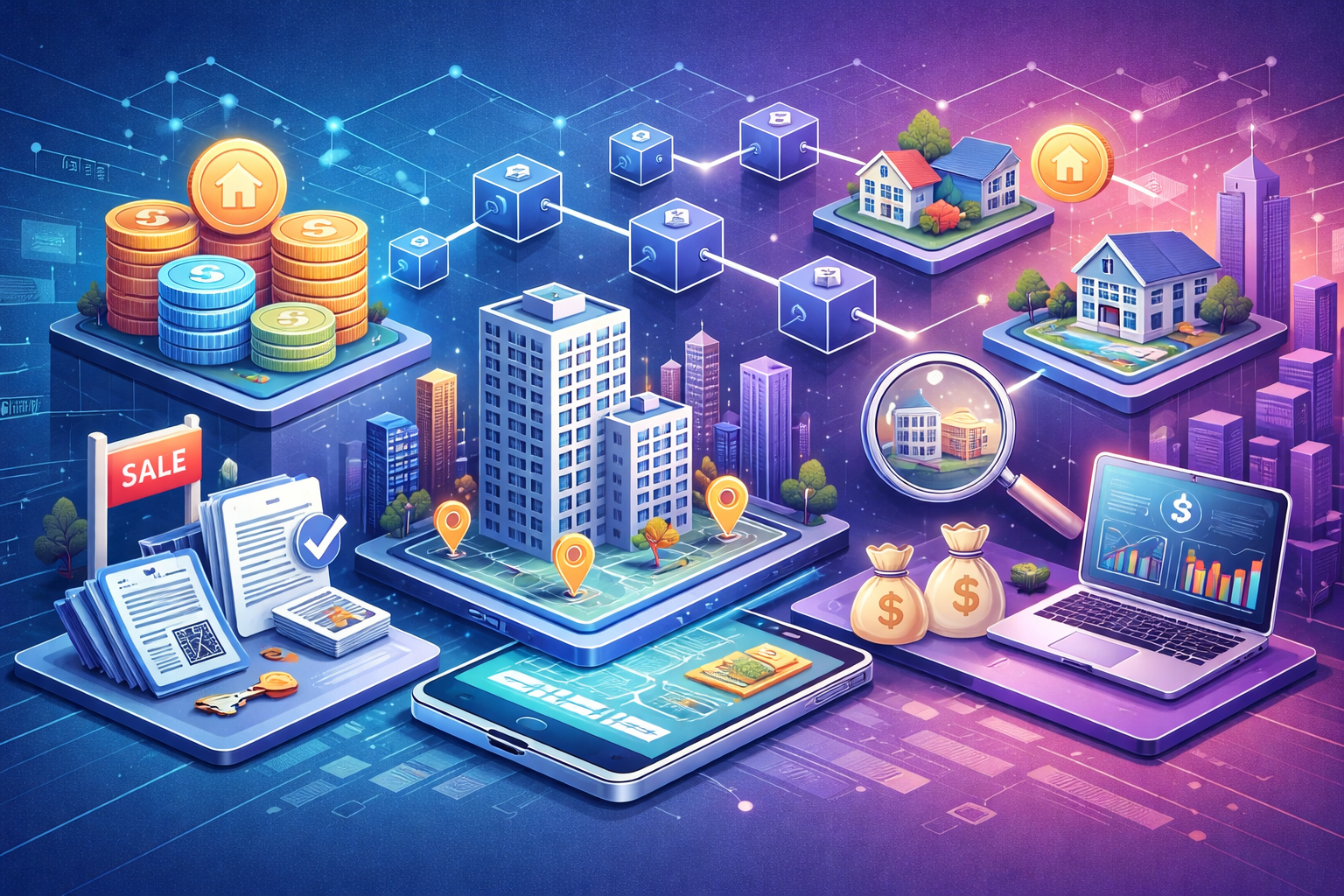
The real estate industry, long considered one of the most traditional and conservative sectors, is undergoing a radical transformation. With the advent of blockchain technology and the rise of digital finance, property investment and ownership are no longer confined to geographic limitations or rigid institutional structures. At the forefront of this evolution is real estate tokenization development, a revolutionary approach that is enabling property markets to operate in an always-on, liquid, and highly efficient manner. This transformation is reshaping the way investors, developers, and property owners interact with the market, opening new avenues for access, liquidity, and global participation.
Understanding Real Estate Tokenization
Real estate tokenization refers to the process of converting ownership rights of physical property or real estate assets into digital tokens on a blockchain network. These tokens represent fractional ownership of the asset, enabling investors to hold a portion of a property without the complexities of traditional real estate transactions.
Unlike conventional property investments that require significant capital, lengthy legal procedures, and physical documentation, tokenized real estate allows investors to participate in the market with smaller amounts of capital. Each token is a secure digital representation of ownership, recorded on a blockchain ledger, ensuring transparency, immutability, and traceability.
Tokenization bridges the gap between the illiquid nature of real estate and the dynamic demands of modern investors seeking flexibility and rapid market access. By making properties tradable as digital assets, tokenization enables 24/7 transactions, instantly connecting buyers and sellers across global markets.
The Shift Toward Always-On Property Markets
Traditional real estate markets are bound by limitations such as time zones, banking hours, regulatory approvals, and the physical processes involved in property transfers. These constraints often slow down transactions and limit market accessibility. Real estate tokenization development is addressing these challenges by creating always-on property markets, where assets can be bought, sold, and traded continuously, without interruption.
In an always-on property market, investors can execute transactions in real time, accessing global opportunities regardless of location or time. This continuous availability promotes market efficiency, reduces barriers to entry, and enables dynamic pricing based on real-time demand and supply.
Additionally, always-on markets foster liquidity, a crucial factor for investors who traditionally faced challenges in exiting real estate investments quickly. With tokenized properties, fractionalized ownership can be sold to other investors instantly, reducing the dependence on lengthy sales cycles and complex legal procedures.
Benefits of Real Estate Tokenization for Investors
The development of tokenized real estate markets brings multiple benefits for investors, transforming how capital is allocated and managed within the property sector.
1. Lower Entry Barriers
Tokenization allows investors to buy fractions of high-value properties, which would otherwise be inaccessible due to high capital requirements. This fractional ownership model democratizes real estate investment, allowing individuals to diversify their portfolios across multiple properties with smaller amounts of capital.
2. Increased Liquidity
Liquidity has traditionally been a limitation in real estate, as selling a property can take months or even years. Tokenization enables investors to trade their tokens on digital marketplaces, creating an ecosystem where property assets can be liquidated quickly and efficiently.
3. Global Market Access
Real estate tokenization breaks down geographical barriers, allowing investors to access international markets without the need for physical presence or complex cross-border legal structures. Investors from different countries can participate in properties across the globe, benefiting from opportunities in diverse markets.
4. Transparency and Security
Blockchain technology ensures that all transactions and ownership records are secure, verifiable, and immutable. Investors can track the history of a property, its ownership structure, and past transactions in real time, reducing risks associated with fraud, disputes, or opaque processes.
5. Fractional Diversification
Investors can hold small fractions of multiple properties, diversifying their portfolios and mitigating risks associated with individual property investments. This approach allows for better risk management and exposure to various real estate sectors, from residential and commercial to industrial and luxury properties.
Benefits for Property Owners and Developers
Tokenization does not only benefit investors; property owners and developers gain significant advantages from participating in always-on property markets.
1. Efficient Capital Raising
Developers can raise capital by issuing digital tokens representing ownership in a project. This method is faster and more cost-effective than traditional fundraising channels, as it connects them directly with a global pool of investors. Token sales can fund construction projects, renovations, or expansions without relying solely on banks or institutional financing.
2. Enhanced Market Reach
Tokenization enables developers to reach a broader investor base, including retail investors and international participants who may not have had access to traditional real estate opportunities. This increased reach accelerates fundraising and creates a more competitive and dynamic investment environment.
3. Streamlined Asset Management
By using blockchain-enabled platforms, property owners and developers can automate aspects of asset management, including rent collection, dividend distribution, and compliance monitoring. Smart contracts embedded in the blockchain can execute these processes automatically, reducing operational overhead and minimizing human errors.
4. Better Price Discovery
Always-on markets allow for dynamic price discovery, as token values adjust based on real-time demand and supply factors. Property owners can gain insights into market sentiment, optimize pricing strategies, and respond to investor interest more effectively.
Technological Foundations Enabling Real Estate Tokenization
The rise of tokenized real estate markets relies on several technological innovations that ensure secure, efficient, and compliant operations.
1. Blockchain Infrastructure
Blockchain serves as the foundation for tokenization, providing a decentralized ledger where ownership and transaction records are stored immutably. This technology ensures security, transparency, and trust among investors and property owners.
2. Smart Contracts
Smart contracts are self-executing digital agreements programmed on the blockchain. They automate critical processes such as token issuance, ownership transfers, rental income distribution, and regulatory compliance checks. Smart contracts minimize human intervention and reduce the risk of errors or disputes.
3. Digital Wallets and Custodians
Investors store tokenized assets in secure digital wallets, which provide access to the property tokens and enable seamless trading on digital marketplaces. Custodial solutions also ensure compliance with regulatory requirements and provide added security for investors’ digital assets.
4. Regulatory Compliance Tools
Tokenization platforms incorporate regulatory compliance frameworks to ensure that digital property tokens adhere to local and international laws. These tools handle investor accreditation, anti-money laundering checks, and know-your-customer verification, ensuring a legal and secure investment environment.
Real-World Applications of Tokenized Property Markets
The impact of real estate tokenization development is already visible across various property sectors and use cases.
1. Residential Properties
Tokenization allows individuals to invest in high-value residential properties by purchasing fractional ownership. This model enables urban dwellers or international investors to participate in high-demand markets such as luxury apartments, condos, or single-family homes without the need for full property acquisition.
2. Commercial Real Estate
Commercial properties, including office buildings, retail spaces, and industrial warehouses, are being tokenized to attract a global pool of investors. Tokenization supports large-scale projects by dividing them into manageable, tradable units, making commercial real estate more liquid and accessible.
3. Hospitality and Vacation Properties
Hotels, resorts, and vacation properties benefit from tokenization as investors can purchase shares of revenue-generating assets. This model enables fractional investment in hospitality assets, distributing profits proportionally to token holders while increasing capital inflow for property operators.
4. Real Estate Investment Funds
Tokenization also applies to real estate investment funds, where digital tokens represent shares in a diversified property portfolio. Investors can trade these fund tokens on secondary markets, combining the benefits of fund diversification with the liquidity and flexibility of tokenized assets.
Challenges and Considerations
Despite the advantages, real estate tokenization development faces certain challenges that need careful consideration.
1. Regulatory Complexity
Real estate and financial regulations vary across jurisdictions. Ensuring compliance with local laws, securities regulations, and investor protection frameworks is critical to the success of tokenized markets. Regulatory uncertainty can slow adoption and limit cross-border participation.
2. Market Education
Tokenization is still a relatively new concept, and many investors and property owners may lack understanding of how digital property markets function. Educating stakeholders about the benefits, risks, and mechanics of tokenized investments is essential to building trust and adoption.
3. Technology Adoption
Implementing blockchain-based solutions and smart contracts requires technical expertise and infrastructure investment. Property developers and investors must adopt reliable platforms to ensure secure and seamless operations.
4. Volatility and Market Dynamics
While tokenization enhances liquidity, it can also introduce short-term price volatility, particularly in nascent markets. Investors must carefully evaluate risks, market trends, and asset fundamentals before participating.
The Future of Always-On Property Markets
Real estate tokenization development is poised to redefine the global property landscape. By creating always-on markets, it enables continuous trading, global participation, and fractional ownership of assets. Over the next decade, we can expect several transformative trends:
-
Wider Adoption by Institutional Investors: As tokenized real estate markets mature, institutional investors such as pension funds, insurance companies, and private equity firms are likely to increase participation, bringing additional capital and stability to the market.
-
Integration with Decentralized Finance (DeFi): Tokenized real estate could integrate with DeFi platforms, allowing investors to leverage assets for loans, collateralized borrowing, or yield generation, further enhancing liquidity and financial utility.
-
Enhanced Data Analytics: Real-time transaction data from always-on property markets will enable better analytics, predictive modeling, and investment decision-making, giving investors and developers deeper market insights.
-
Global Real Estate Ecosystems: Tokenization will facilitate the creation of interconnected global property ecosystems where investors can seamlessly access and manage diverse assets worldwide.
Conclusion
Real estate tokenization development is transforming property markets from static, geographically constrained systems into dynamic, always-on ecosystems. By leveraging blockchain technology, smart contracts, and digital marketplaces, tokenization enhances accessibility, liquidity, transparency, and efficiency for both investors and property owners.
As this development gains traction, it promises to democratize property ownership, unlock new investment opportunities, and empower always-on markets that operate continuously across borders and time zones. For investors, developers, and the broader real estate industry, tokenization is more than a technological innovation it is a paradigm shift that is reshaping how property markets function and how value is created and exchanged globally.
The age of always-on property markets is here, and real estate tokenization is at the forefront of this evolution, powering a future where real estate investment is faster, smarter, and universally accessible.