


Abstract Peel and Stick Wallpaper: A Practical Guide for Modern Walls
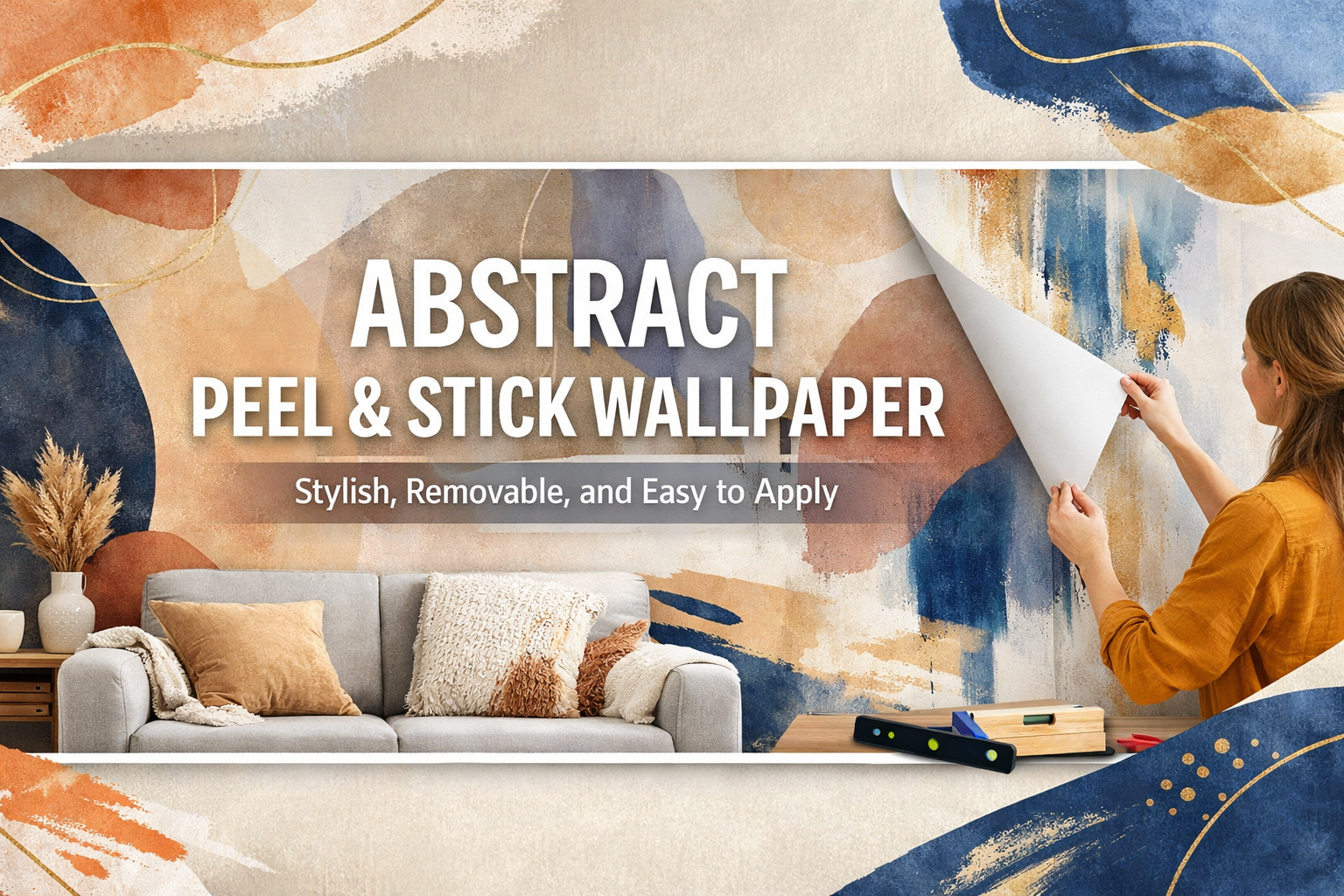
Abstract styles work well in today’s interiors because they don’t lock you into a single theme. Instead, they add movement, color balance, and texture-like depth—without needing extra décor. If you want a feature wall that feels current and easy to update later, abstract peel and stick wallpaper is one of the simplest ways to do it.
This guide covers what abstract peel-and-stick wallpaper is, where it looks best, how to choose the right design, and how to install and care for it.
What Makes Abstract Wallpaper Different?
Abstract wallpaper uses shapes, brush strokes, geometric forms, line work, and color fields to create visual interest without a literal subject (like flowers, bricks, or landscapes). That flexibility is the main advantage:
-
It fits multiple room styles: modern, Scandinavian, minimal, boho, and eclectic.
-
It can act as a “bridge” between mixed furniture finishes.
-
It adds energy to plain walls without making the space feel crowded.
Abstract designs can be soft and tonal or bold and high-contrast—so you can decide whether you want the wall to blend in or stand out.
Why Peel and Stick Works So Well for Abstract Designs
Peel-and-stick is popular because it’s designed for easier application and easier change later. Many homeowners choose it when they want a fresh look without long-term commitment.
A big reason people start here is the convenience of self adhesive wallpaper. Since abstract patterns often look best on a large, uninterrupted surface, peel-and-stick makes it easier to test a statement wall without heavy prep or permanent paste.
Common uses include:
-
Feature walls behind a sofa or bed
-
Entryway or stairway accent walls
-
Home office backdrops for video calls
-
Dining nooks and small sitting areas
Best Rooms to Use Abstract Peel and Stick Wallpaper
Living Room Feature Walls
Abstract patterns add depth behind the sofa, TV wall, or a reading corner. If your living room furniture is neutral, you can go bolder. If your furniture has mixed colors, choose an abstract design with a tighter color palette.
Bedrooms and Headboard Walls
Abstract wallpapers bring softness and layering to bedrooms—especially watercolor styles, line art, or muted geometric patterns.
Home Office and Studio Spaces
Abstract visuals can help the room feel creative without being overly themed. It’s also an easy way to create a “zoom wall” that looks intentional.
Rental Homes and Temporary Upgrades
If you’re decorating a rented space, options designed as removable wallpaper for renters can help you personalize a room while keeping future removal in mind.
Abstract Wallpaper vs. Abstract Wallpaper Murals
Abstract can come in repeating patterns or mural-style layouts. The difference matters for the final look.
Repeating Abstract Patterns
These repeat across the wall like a standard wallpaper roll. They’re great for:
-
Balanced, all-over coverage
-
Smaller rooms where a mural might feel too busy
-
Spaces with multiple walls to cover
Abstract Murals
Murals usually form one large visual across panels. If you want an artistic, gallery-like wall, explore Abstract wallpaper murals for options that feel more like a painting than a print.
If you specifically want an easy-to-apply mural format, a peel and stick wallpaper mural is a strong choice for statement walls.
How to Pick the Right Abstract Design
1) Match the Scale to the Wall Size
-
Small wall: mid-scale shapes, clean line work, subtle texture patterns
-
Large wall: bigger brush strokes, large geometric forms, mural layouts
2) Choose a Color Plan That Supports Your Room
-
If you want calm: neutrals, soft grey, beige, muted blues/greens
-
If you want energy: contrast palettes, bold accents, color blocking
Tip: pull 1–2 colors from your rug, cushions, or artwork to make the wall feel connected.
3) Decide the “Role” of the Wallpaper
-
Background layer (subtle, tonal abstracts)
-
Focal point (high contrast, large shapes, mural compositions)
Where a Wallpaper Mural Fits Best
Murals are most effective when they’re not broken up too much by doors, windows, or heavy shelving. Popular placements include:
-
Sofa wall
-
Bed wall
-
Dining wall
-
Entry wall
If you’re exploring mural categories beyond abstract, browse a wider range of wall wallpaper mural styles to compare layouts and color directions.
Installation Tips for a Clean Finish
Prep the Surface
-
Walls should be clean, dry, and smooth
-
Remove dust and grease (especially near kitchens)
-
Let fresh paint cure fully before applying wallpaper
Plan Your Layout First
-
Measure height and width carefully
-
Mark a light vertical guideline to keep panels straight
-
Dry-fit the first panel to align pattern/mural joins
Apply Slowly
-
Peel a small section first, stick, then smooth
-
Work top to bottom, pushing air out as you go
-
Use a soft squeegee or microfiber cloth for smoothing
Care and Maintenance
-
Use a dry or slightly damp cloth for light dust and marks
-
Avoid harsh chemical cleaners
-
Keep good ventilation in humid spaces
-
If an edge lifts, press it back gently—don’t stretch the material
Quick Styling Ideas for Abstract Walls
-
Pair bold abstracts with plain curtains and simple rugs
-
Use black or wood frames for wall art (so it doesn’t compete)
-
Add warm lighting (floor lamps or wall lights) to soften sharp contrasts
-
Keep accessories minimal on the statement wall—let the pattern do the work
Final Thoughts
Abstract peel-and-stick wallpaper is a flexible choice for modern homes because it can be subtle or expressive, works across many décor styles, and is easier to update later than many permanent wall finishes. If you’re aiming for a feature wall that feels fresh but still practical, start with abstract peel and stick wallpaper and build the rest of the room around its colors and movement.