


Proven Ways to Protect Wood Staircases from Daily Wear
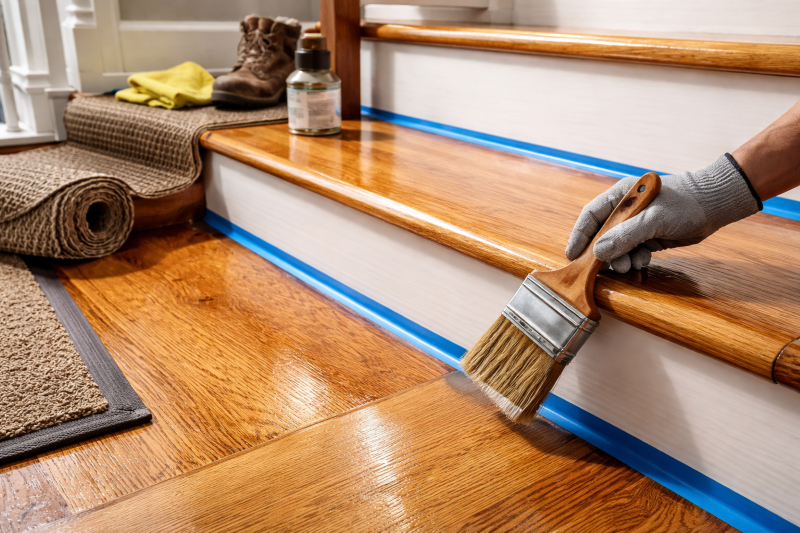
Wood steps add warmth, character, and long-term value to a home, but they also take more abuse than almost any other wood surface. Every footstep, pet claw, and seasonal change slowly wears them down. Without proper protection, even the highest-quality hardwood steps can show damage far sooner than expected.
For homeowners in Maine, protecting wood steps is especially important. Snow, ice, sand, and humidity swings can shorten the lifespan of unprotected stairs. As a trusted provider of flooring services in Portland ME, D&T Hardwood Floors has seen firsthand how the right maintenance and finishes can extend the life of wood steps by decades.
This guide explains proven, practical ways to keep wood steps protected, safe, and visually appealing year after year.
Why Wood Steps Need Extra Protection
Unlike hardwood floors in low-traffic rooms, stairs face constant concentrated pressure. Each step absorbs weight in the same areas repeatedly, which causes faster wear. Edges and nosings are especially vulnerable to cracking, splintering, and finish breakdown.
Environmental factors also play a role. In coastal and cold climates like southern Maine, moisture and temperature changes cause wood to expand and contract. Without proper sealing and care, this movement can lead to gaps, creaking, and surface damage.
Protecting wood steps is not just about appearance. It is also about safety. Worn finishes can become slippery, while loose boards or splinters create real hazards for families and guests.
Choosing the Right Wood for Durable Steps
Protection starts before the first finish is applied. The type of wood used for steps matters more than many homeowners realize.
Hardwood species like oak, maple, hickory, and ash are well-known for their durability and resistance to dents. These woods perform well in high-traffic areas and respond better to refinishing over time. Softer woods may cost less upfront, but they typically show wear much faster and require more frequent repairs.
A well-experienced flooring contractor can recommend the best wood options based on traffic levels, design goals, and budget. Many homeowners who invest in quality materials early save significantly on long-term maintenance costs.
Proper Sealing: The First Line of Defense
Sealing wood steps is essential for protecting them from moisture, dirt, and daily wear. An unsealed or poorly sealed step absorbs contaminants quickly, which accelerates surface damage and staining.
Professional-grade sealers penetrate the wood and create a barrier that reduces moisture absorption. This is especially important near entryways where snowmelt and wet shoes are common.
High-performance sealers used by industry-leading flooring professionals typically last longer and provide more consistent coverage than off-the-shelf products. While DIY sealing may seem affordable, improper application often leads to uneven protection and premature failure.
Selecting the Best Finish for Wood Steps
The finish applied over the sealer determines how well wood steps resist wear. Choosing the right finish depends on usage, aesthetic preferences, and safety needs.
Polyurethane finishes are among the most popular options for stairs. They create a durable surface that resists scratches and moisture. Oil-based polyurethane offers a rich look and long-lasting protection, while water-based versions dry faster and emit fewer odors.
For homeowners concerned about slipping, matte or satin finishes are often safer than high-gloss options. Some finishes can also be combined with anti-slip additives for added traction without compromising appearance.
Top-rated flooring services in Portland ME often recommend finish systems that balance durability with comfort underfoot, especially for families with children or pets.
The Role of Stair Runners and Mats
Stair runners and mats provide an additional layer of protection in high-traffic areas. They help absorb impact and reduce direct wear on the wood beneath.
Runners are especially useful on straight staircases and can be customized to match the home’s design. Mats placed at the top and bottom of stairs help trap dirt and moisture before it reaches the steps.
The key is proper installation. Poorly secured runners can shift and become a safety risk. A reliable flooring professional can advise on runner placement and attachment methods that protect both the wood and the people using the stairs.
Regular Cleaning That Does Not Damage Wood
Cleaning wood steps incorrectly can do more harm than good. Excess water, harsh chemicals, and abrasive tools strip away finishes and weaken protective layers.
A gentle routine works best. Dust and grit should be removed frequently using a soft broom or microfiber cloth. For deeper cleaning, a damp cloth with a wood-safe cleaner is sufficient. Standing water should always be avoided.
In homes with heavy foot traffic, consistent cleaning prevents abrasive particles from grinding into the finish. Results-driven maintenance routines often make a noticeable difference in how long stair finishes last.
Refinishing: Knowing When It Is Time
Even the best-protected wood steps eventually show signs of wear. Dull finishes, visible scratches, and exposed wood indicate it may be time to refinish.
Refinishing restores the protective layers and brings back the original beauty of the wood. The process typically involves sanding down the surface and applying new sealers and finishes.
A real-world example from D&T Hardwood Floors involved a Portland homeowner whose staircase showed deep wear after years of heavy use. Rather than replacing the steps, the team refinished them using a high-performance finish system. The result was a like-new staircase at a fraction of the replacement cost, with improved durability for future use.
This proven approach highlights why refinishing is often the most practical and scalable solution for worn stairs.
Preventing Damage Before It Happens
Small habits can make a big difference in protecting wood steps. Encouraging family members and guests to remove shoes reduces dirt and grit. Trimming pet nails minimizes scratching. Addressing minor issues early prevents larger problems later.
Furniture or heavy objects should never be dragged across steps. When moving items, protective coverings or temporary mats can prevent accidental damage.
User-friendly prevention strategies like these help homeowners get the best return on their flooring investment.
Why Professional Flooring Services Matter
While some maintenance tasks can be handled by homeowners, professional flooring services provide long-term protection that DIY methods often cannot match. Skilled technicians understand wood behavior, climate factors, and finish compatibility.
For homeowners seeking flooring services in Portland ME, working with a trusted and well-experienced company ensures steps are protected using industry-leading techniques and materials. Professional care delivers consistent results, better safety, and a longer lifespan for wood stairs.
D&T Hardwood Floors has built a reputation for reliable workmanship and innovative solutions that protect wood surfaces in demanding environments.
Long-Term Value of Protected Wood Steps
Well-protected wood steps enhance both the appearance and value of a home. They age gracefully, require fewer repairs, and remain safer for daily use. Over time, the cost of proper protection is far lower than repeated fixes or full replacements.
By choosing the right materials, finishes, and maintenance strategies, homeowners can preserve their stairs for generations. Protection is not a one-time task but an ongoing commitment to quality and care.