


Discover Why Film Processing Still Matters in the Digital Age
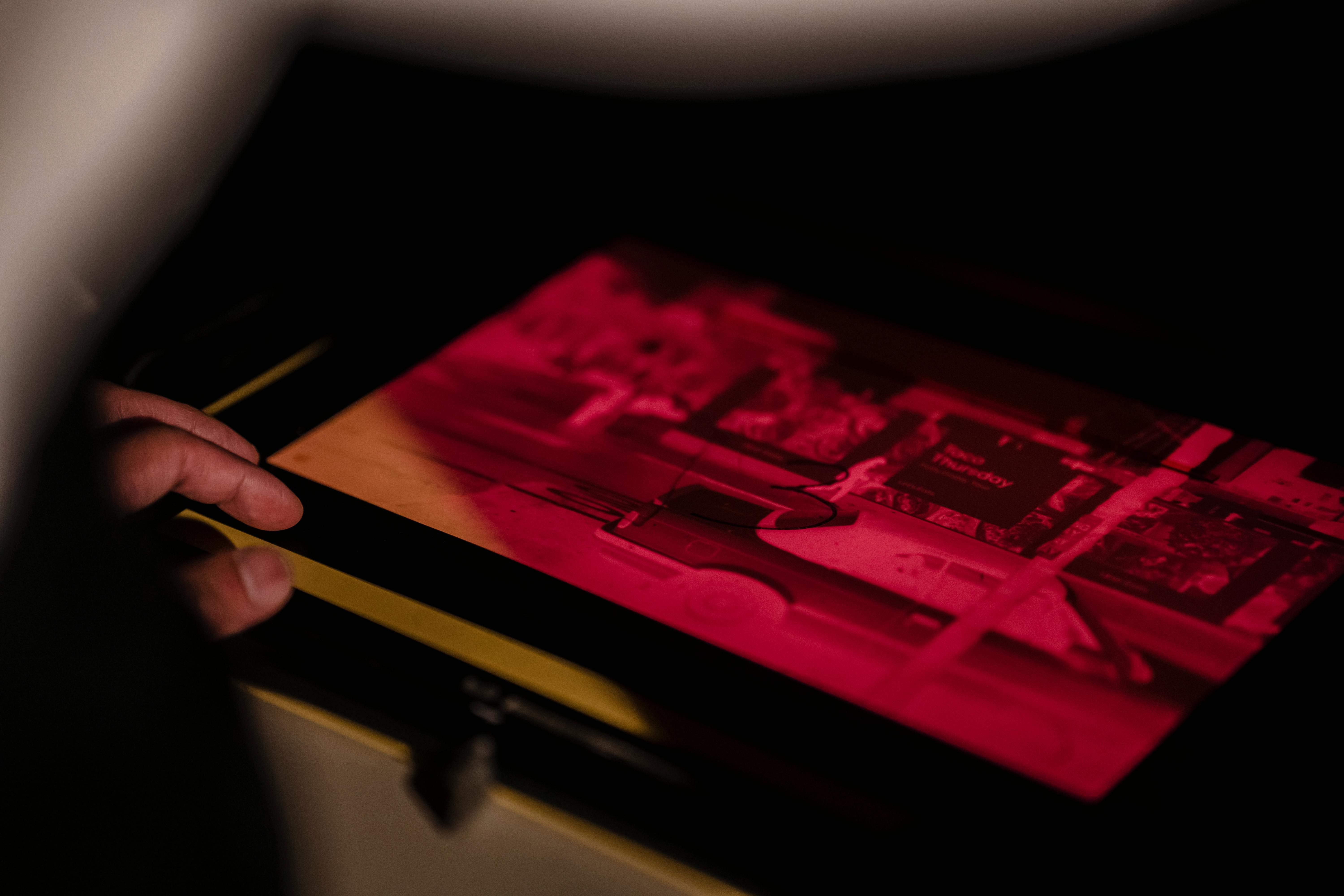
There's something magical about waiting for your film to come back from the lab. In a world where we snap hundreds of photos on our phones without a second thought, the deliberate nature of film photography feels almost revolutionary. But is it just nostalgia, or does film still have something real to offer?
The answer might surprise you. Film processing isn't just a relic of the past. It's a thriving craft that offers unique benefits you simply can't get from digital photography.
What Actually Happens During Film Development
When you drop off your roll of film, it begins a carefully orchestrated chemical journey.
First, the film gets loaded into complete darkness. Light would ruin everything at this stage. The film goes into a developing tank where chemicals bring out the latent image captured when you pressed the shutter button.
Next comes the stop bath. This halts the developing process at exactly the right moment. Think of it like pulling cookies from the oven before they burn.
Then the fixer makes the image permanent. Without this step, your photos would fade away when exposed to light.
Finally, the film gets washed and dried. Only then can you see what you've created.
Each step matters. Skip one or rush through it, and your images suffer. This precision is part of what makes film special.
Why This Process Still Matters Today
It slows you down in the best way possible.
With film, you get 24 or 36 shots per roll. No do-overs. No instant preview. This limitation forces you to think before you shoot. You consider composition, lighting, and timing more carefully.
Many photographers say this makes them better at their craft. The discipline carries over even when they shoot digital.
The look is genuinely different.
Film has a quality that digital sensors struggle to replicate. There's an organic grain structure, the way highlights roll off smoothly, and how colors blend together. Software can approximate it, but it's never quite the same.
Different film stocks create different moods. Kodak Portra gives you warm, creamy skin tones. Ilford HP5 delivers gritty black and white contrast. You're choosing your palette before you ever press the shutter.
It's a complete creative experience.
Digital photography can feel instant and somewhat disposable. Film asks for patience. You wait days or weeks to see your results. That anticipation builds appreciation.
Some photographers even develop their film at home. They control every variable in the darkroom. It's photography as craft, not just as documentation.
It connects you to photography's roots.
Every iconic photograph from the 1900s through the early 2000s was shot on film. Learning this process helps you understand the history and foundation of the medium.
Getting Good Results With Your Film
Start with the right film for your needs.
For beginners, try Kodak Gold or Fuji C200. They're affordable and forgiving. Shoot in good light and you'll get pleasing results almost every time.
Find a reliable lab.
Not all processing services are equal. Look for labs with good reviews and consistent turnaround times. Local camera shops often send film to quality labs. Mail order options like The Darkroom or Indie Film Lab serve photographers nationwide.
Ask about scanning options too. Most labs can provide digital files alongside your negatives, giving you the best of both worlds.
Learn basic exposure principles.
Film has less latitude for error than digital. Overexpose slightly rather than underexpose. You can recover detail from bright areas more easily than from shadows.
Use a light meter or your camera's built-in meter. Trust it most of the time. Bracket your exposures when shooting something important.
Keep your film properly stored.
Heat and humidity are film's enemies. Store unexposed rolls in a cool, dry place. Some photographers keep film in the refrigerator for long term storage.
After shooting, get your film developed reasonably soon. Latent images can fade over months or years.
Experiment and have fun.
Try different film stocks. Shoot the same scene on multiple types and compare results. Push or pull your film for creative effects. Double expose if your camera allows it.
Film rewards experimentation because each roll teaches you something new.
Is Film Right For You?
Film photography isn't better than digital, and digital isn't better than film. They're different tools that excel at different things.
Film asks you to slow down, be intentional, and embrace uncertainty. It offers a tangible connection to your images through negatives you can hold. The aesthetic has a quality many find irreplaceable.
Yes, it costs more per shot than digital. Yes, you have to wait for results. But those "limitations" might be exactly what your photography needs.
Maybe you're curious about what you've been missing. Maybe you want to challenge yourself creatively. Or maybe you just want to experience photography the way it was done for over a century.
Whatever your reason, film is waiting. The labs are running. The cameras are ready. The only question is whether you're ready to give it a try.