


UAE Diesel Price: What You Need to Know in 2025
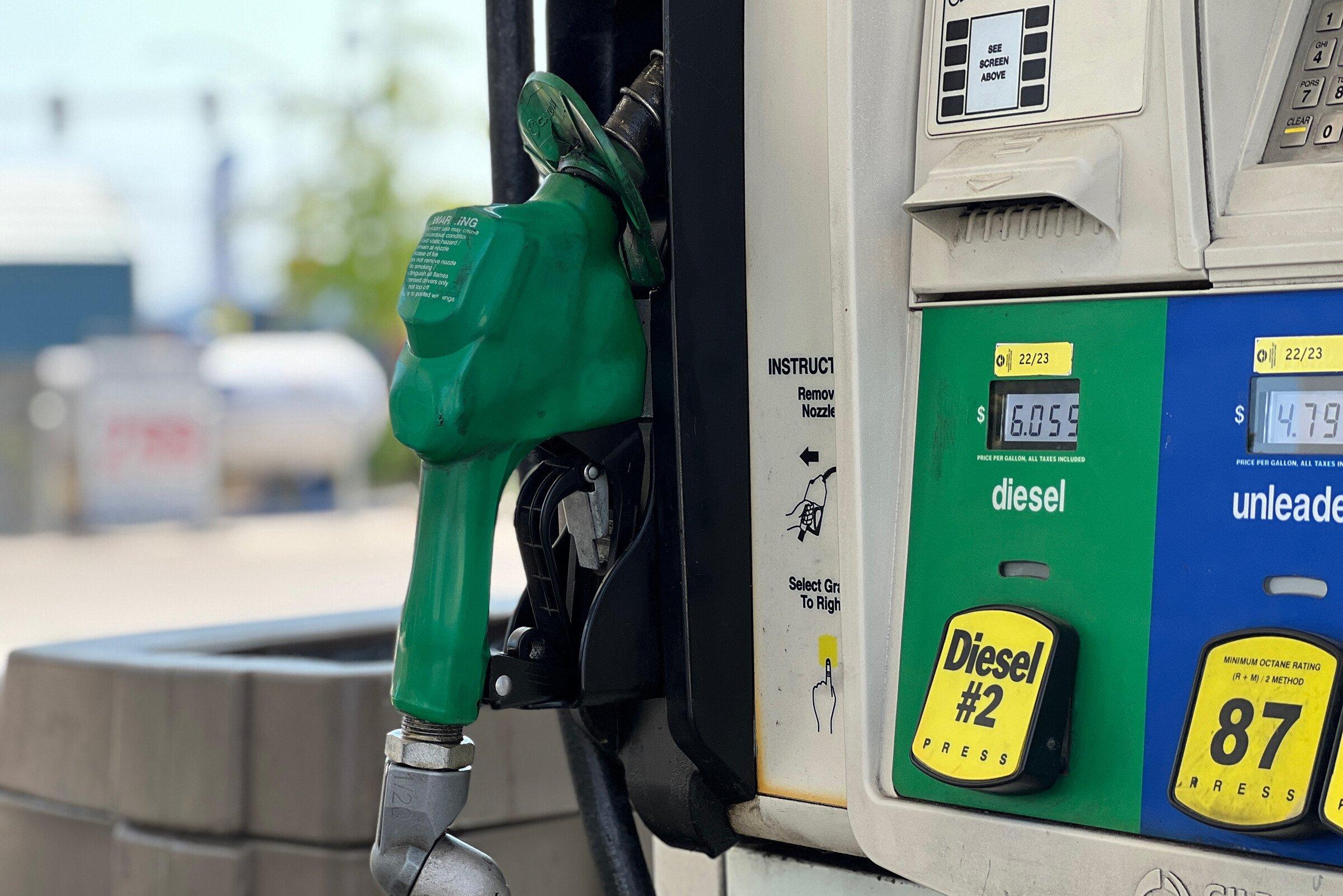
Diesel is a lifeline for many industries and businesses in the UAE. From logistics fleets and construction sites to industrial plants and backup generators, diesel plays a central role in keeping the country moving. That’s why keeping track of the UAE diesel price is essential for businesses, fleet operators, and anyone relying on diesel-powered equipment.
Understanding current prices, factors affecting changes, and how to manage costs can make a big difference in budgeting and operational planning.
Current Diesel Price in UAE
As of November 2025, the retail price for diesel in the UAE is AED 2.67 per litre. This reflects the UAE’s monthly pricing mechanism, which adjusts fuel prices based on global oil trends and local operational costs.
While the price may seem stable, even small changes can have a significant impact on businesses that consume large quantities of diesel. For instance, a logistics company using thousands of litres per month can see costs vary by tens of thousands of dirhams with minor price fluctuations.
Why Diesel Prices Matter
Diesel prices affect many aspects of business and daily life:
1. Operational Costs
Transport companies, construction firms, and industrial facilities rely heavily on diesel. Price changes can directly impact budgets and profit margins.
2. Supply Chain Efficiency
Higher diesel prices lead to increased transportation costs, affecting the delivery of goods and materials across the UAE.
3. Energy Reliability
Businesses using diesel generators depend on stable fuel prices to plan energy budgets and avoid unexpected expenses.
4. Economic Impact
Changes in diesel prices ripple through various sectors, influencing consumer goods pricing, construction costs, and industrial production expenses.
Factors Affecting Diesel Price in the UAE
The UAE diesel price is influenced by several interconnected factors:
1. Global Oil Prices
Even though the UAE produces oil, the domestic diesel price follows international crude oil markets. Price changes in global crude directly impact diesel costs.
2. Refining and Production Costs
Diesel requires processing and refining. Operational costs, including labor, equipment, and storage, are factored into the final price.
3. Supply and Demand
Local demand from industries, construction, transport, and residential use can affect pricing. High demand periods may cause slight increases.
4. Currency Fluctuations
Diesel prices are tied to the US dollar, the global standard for oil trade. Currency variations can influence costs.
5. Government Pricing Policy
The UAE updates fuel prices monthly, aligning them with international benchmarks and ensuring transparency.
Recent Diesel Price Trends in UAE
Monitoring trends helps businesses forecast costs:
-
September 2025: AED 2.66 per litre
-
October 2025: AED 2.71 per litre
-
November 2025: AED 2.67 per litre
These minor fluctuations indicate relative stability, which allows businesses to plan fuel consumption and budget accordingly.
Impact of Diesel Price on Industries
Different sectors feel the effects of diesel price changes in various ways:
1. Construction
Heavy machinery, cranes, and mixers rely on diesel. Price changes can affect project costs and timelines.
2. Logistics and Transportation
Transport companies are sensitive to diesel price shifts, which influence delivery charges and operating costs.
3. Industrial Manufacturing
Factories using diesel-powered generators or machines may face increased production costs with rising diesel prices.
4. Maritime and Shipping
Marine vessels use diesel for operations. Price changes affect shipping costs and international trade.
5. Commercial and Residential Facilities
Backup generators in malls, hotels, hospitals, and residential buildings depend on diesel, making pricing stability important.
How Businesses Can Manage Diesel Costs
Businesses can adopt several strategies to reduce the impact of diesel price changes:
1. Monitor Monthly Prices
Since fuel prices are updated at the start of each month, staying informed helps plan purchases wisely.
2. Negotiate Long-Term Contracts
Bulk supply contracts or fixed-rate agreements with reliable suppliers help stabilize fuel costs.
3. Optimize Fuel Usage
Reducing idling time, maintaining vehicles and generators, and using fuel-efficient machinery lowers overall consumption.
4. Plan Bulk Purchases Strategically
Buying fuel when prices are stable or slightly lower can reduce operational costs for high-consumption businesses.
5. Work with Reliable Suppliers
Suppliers that provide timely delivery, high-quality diesel, and expert guidance can help businesses avoid wastage and maximize efficiency.
The Role of Technology in Managing Diesel Costs
Advanced technology plays a significant role in controlling fuel expenses:
-
Fuel Monitoring Systems: Track consumption and detect inefficiencies in real-time.
-
Telematics for Fleets: Optimize routes, reduce fuel consumption, and improve scheduling.
-
Digital Ordering Platforms: Facilitate bulk orders and monitor delivery schedules efficiently.
-
Predictive Analytics: Helps businesses forecast fuel needs based on historical consumption trends.
By leveraging technology, companies can reduce diesel costs and improve operational planning.
Trends Affecting Diesel Prices in UAE
The diesel market in the UAE is evolving due to global and local trends:
-
Energy Diversification: Investments in solar, wind, and hybrid energy reduce dependency on diesel for long-term projects.
-
Eco-Friendly Diesel Additives: Some suppliers offer cleaner diesel to improve efficiency and reduce emissions.
-
Strategic Fuel Storage: Companies store fuel during stable price periods to mitigate volatility.
-
Emergency Diesel Supply: Suppliers increasingly provide rapid delivery services to maintain uninterrupted operations.
These trends ensure that businesses have more options and control over diesel consumption and costs.
Why Choosing the Right Supplier Matters
A reliable diesel supplier can make a big difference in cost management and operational efficiency:
-
Consistent Quality: Avoid engine damage and reduce maintenance costs.
-
On-Time Delivery: Prevents downtime and delays.
-
Competitive Pricing: Bulk deals and contracts help businesses save.
-
Technical Support: Guidance on fuel handling, storage, and efficiency ensures optimal usage.
Working with a trusted supplier provides peace of mind and operational security.
Conclusion
The UAE diesel price of AED 2.67 per litre in November 2025 offers a benchmark for businesses, but staying informed and proactive is key. Diesel is essential across industries—from logistics and construction to industrial manufacturing and residential facilities. Understanding price trends, choosing reliable suppliers, and implementing efficient fuel management strategies helps businesses control costs, maintain productivity, and avoid disruptions.
For companies looking for a trusted diesel supplier in the UAE, Al Faraji Oil stands out as a reliable partner. With high-quality diesel, timely delivery, bulk supply options, and expert guidance, Al Faraji Oil ensures businesses across Dubai, Abu Dhabi, Sharjah, and beyond can operate smoothly without worrying about fuel shortages or fluctuations in diesel price.