Understanding Insulin and Its Role in Managing Diabetes
Diabetes has gained such momentum as a chronic condition among Indians, both in urban and rural areas, that one could see millions of cases with it. Due to this emerging amount of diabetic patients, finding available treatment options—including insulin—will help analyze the best diabetes medicine in India to handle the disease appropriately.
Let's examine insulin's importance, its mechanism in managing diabetes, and the choice of suitable treatments.
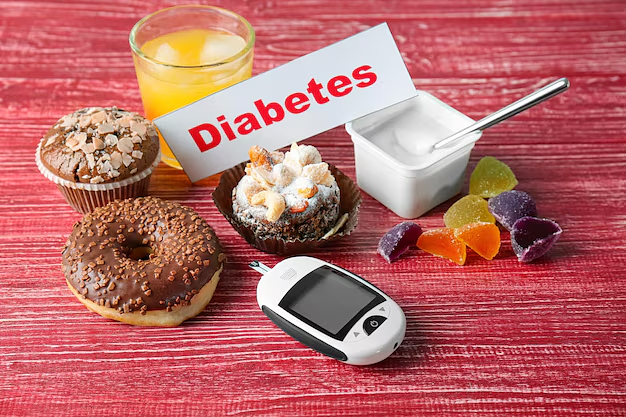
Understanding diabetes?
Diabetes is when the body cannot maintain normal blood glucose levels due to inadequate insulin production or cellular insulin resistance.
Two primary types of diabetes are there.
Let's explore!
- Type 1 Diabetes: This type of diabetes is characterized by the immune system's attack on the insulin-producing beta cells of the pancreas, which eventually ushers to no insulin production.
- Type 2 Diabetes: This type of diabetes in which the body develops insulin resistance or produces too little insulin. Lifestyle modifications and oral medications usually control it, though in the advanced stages, it needs insulin administration.
Is insulin essential?
Insulin is a hormone produced by the pancreas that enables cells to use glucose for energy; hence, it keeps the blood sugar level in balance. Insufficient insulin causes glucose to build up in the bloodstream and cause hyperglycemia, which is characterized as diabetes.
Insulin plays a vital role in the treatment of diabetes, particularly in patients with:
- Type 1 diabetes
- Advanced Type 2 diabetes
- Gestational diabetes requires glucose control
How does insulin work?
When carbohydrates are consumed, they are reduced to glucose and absorbed into the blood. This stimulates the pancreas, which secretes insulin; insulin allows cells of the body to take up glucose. In diabetic people, either insufficient insulin is produced or they are insulin resistant; hence, their blood sugar is high. Insulin therapy attempts to mimic normal bodily functions of insulin through the regulation of glucose by administering insulin.
Insulin Types
Several types of insulin are available in India. Insulins can be broadly classified based on their onset, peak, and duration of action:
- Fast-acting insulin: Onset of action, 10 - 15 min; peaks, 1 -2 hr; duration, 3 to 5 hr: Insulin Lispro, Insulin Aspart.
- Short-acting insulin: Onset, 30 minutes; Peak, 2-3 hours; Duration, 4-6 hours. Examples include Human standard insulin.
- Intermediate-acting insulin: Onset of action, within 2-4 hours; peak action, within 6-10 hours; duration of action, up to 12-18 hours. Examples include NPH insulin Neutral Protamine Hagedorn.
- Long-acting insulin: Onset: 1-2 hrs, Peak: minimal, Duration: up to 24 hrs (e.g. Glargine insulin, Detemir insulin).
- Premixed: A mixture of either Rapid- or short-Acting Insulin, Combined with intermediate-action insulin prescribed in a manner that serves convenience and is quite prevailing in India.
Methods of Insulin Administration
The route of insulin administration markedly impacts treatment adherence and convenience.
In India, the following are some of the common methods:
- Syringes: Traditional, but dosage is to be very much measured.
- Insulin Pens: Portable, preloaded, easy-to-use.
- Insulin pumps: These will be more expensive and would provide continuous subcutaneous infusion of insulin.
- CGMs: Continuous glucose monitor-available for real-time glucose values concomitantly while using insulin.
Best Medicine for Diabetes in India
Although insulin is indispensable to many, other medicines either supplement or replace insulin in the management of Type 2 diabetes in India. These commonly include:
- Metformin: First-line rescue therapy, decreases hepatic glucose formation, and increases insulin sensitivity.
- Sulfonylureas: These stimulate the pancreas to produce more insulin. Examples include Glimepiride and Gliclazide.
- DPP-4 inhibitors: Increase insulin secretion and decrease glucose release. Examples include Sitagliptin and Vildagliptin.
- SGLT2 inhibitors: Medications that facilitate the excretion of glucose via the urine; examples include Empagliflozin and Dapagliflozin.
- GLP-1 Receptor Agonists: These enhance insulin secretion and delay gastric emptying; an example is Liraglutide.
The choice of drug elides on factors such as age, weight, level of sugar in the blood, and other co-existing ailments. A healthcare provider will recommend the most appropriate therapy.
Managing Diabetes Effectively
Insulin and other diabetes medicines are part of a larger plan to manage diabetes, including:
- Balanced diet: Complex carbohydrates, lean proteins, healthy fats, vegetables, and limited use of added sugars and processed foods.
- Regular Exercise: Walking, yoga, or swimming is good for improving insulin sensitivity and maintaining blood sugar levels.
- Stress Management: The habit of practicing mindfulness meditation, deep breathing, or indulging in hobbies can prevent the spiking of blood sugar due to stress.
- Routine Monitoring: This helps to monitor the blood sugar levels so that, when needed, a timely adjustment of the treatment may be done. Advanced equipment includes CGMs, which facilitate smooth monitoring.
Diabetes Care Access in India
India has made progress in increasing access to diabetes care. Initiatives like the Jan Aushadhi Scheme provide insulin and diabetes medicines at an affordable cost in rural areas. Yet, there are still a number of obstacles, such as:
- Lack of diabetes-related knowledge
- Limited healthcare access in remote regions
- Costly treatments for advanced treatments, including insulin pumps
Common Misconceptions about Insulin
- It's only insulin for advanced diabetes. Fact: People with either Type 1 diabetes or gestational diabetes may be required to take insulin early in the process.
- Insulin is addictive. Fact: Insulin is a natural hormone, and therapy replaces what the body is unable to produce.
- Insulin causes weight gain. Fact: Weight gain may arise but it is manageable through proper lifestyle adherence.
Understanding insulin's role, coupled with opting for the best diabetes medicine in India, is all significant for effective management of diabetes. These strategies together—focusing on changes in lifestyle and continuous monitoring—provide better outcomes. You can visit PlatinumRx to buy the best diabetes medicine in India.