Bullet Proof Doors: The Ultimate Line of Defence for High-Security Facilities
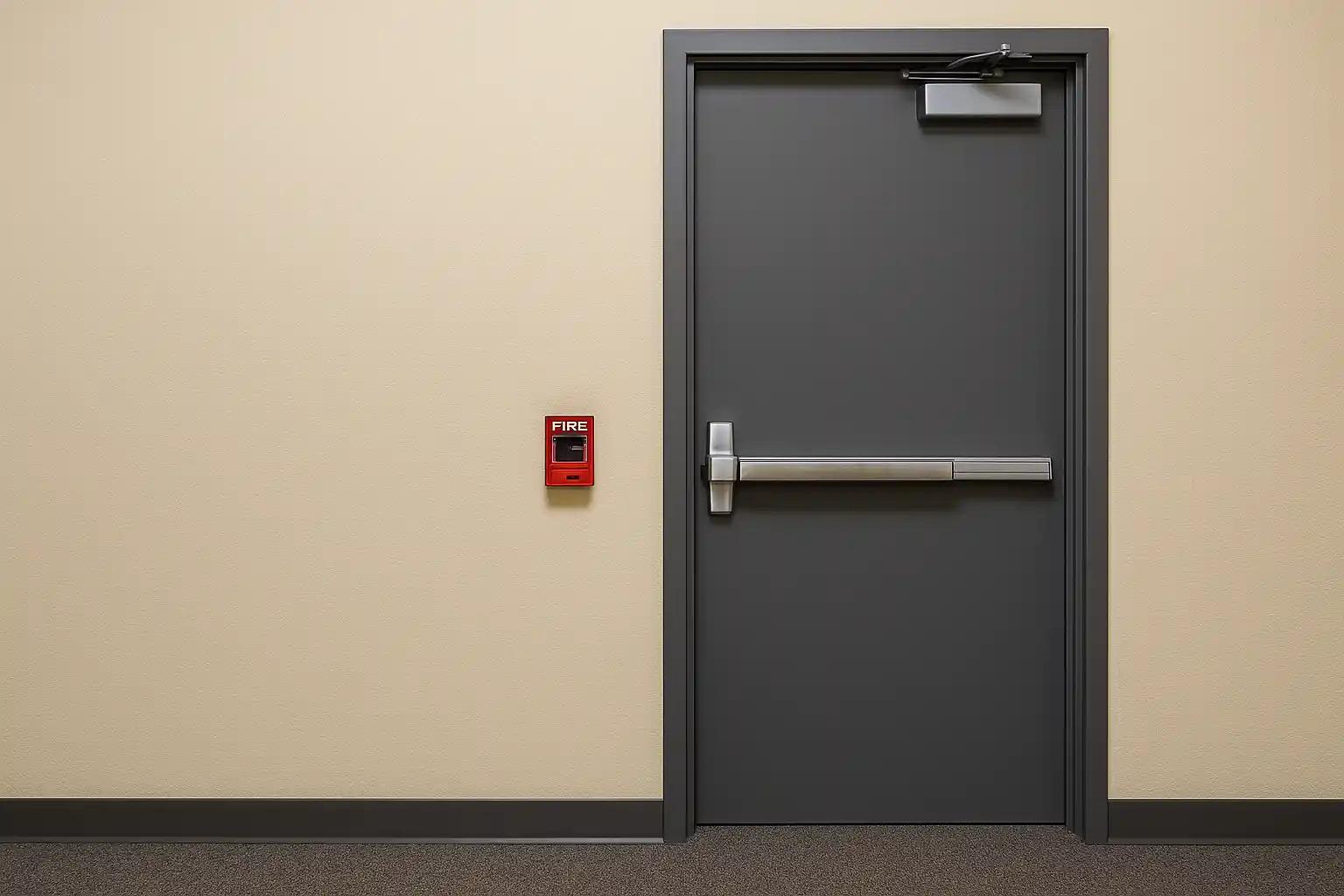
When a facility faces the risk of armed threats, standard doors simply cannot provide adequate protection. Bullet proof doors are engineered specifically to stop projectiles from penetrating an entry point, giving personnel and critical assets a reliable barrier against gunfire. As security concerns grow across banks, government buildings, defence installations, and high-value commercial properties, the demand for doors that can genuinely withstand ballistic threats has increased significantly.
What Are Bullet Proof Doors
Bullet proof doors are constructed using layered steel plates, ballistic-rated cores, and reinforced frames that are specifically tested to absorb and stop bullets fired from various firearms. Unlike a regular steel door that might dent or deform under gunfire, a properly manufactured bullet proof door is designed to prevent complete penetration, protecting whoever or whatever is on the other side. These doors are rated according to recognized ballistic standards, which classify their resistance level based on the type of firearm and ammunition they can withstand.
The construction process involves precise layering of hardened steel with specialized composite materials sandwiched in between. This combination allows the door to absorb the kinetic energy of a bullet without transferring that force through to the other side. Manufacturing a genuinely effective bullet proof door requires careful engineering, because even small gaps or weak points in the assembly can compromise the entire protective system.
Key Features That Define Quality
Not every door marketed as "bullet resistant" actually performs as promised. Facility managers should look for a few essential features before making a purchase decision. First, the door should carry a certified ballistic rating from a recognized testing standard, confirming it has actually been tested against live ammunition rather than just claimed to be secure. Second, the frame must be as resistant as the door leaf itself, since attackers often target weaker frame areas rather than the door panel.
Third, the hinges and locking hardware need to match the security level of the door. A high-rated bullet proof door paired with weak hinges creates an obvious vulnerability. Viewing panels, if included, must use ballistic-rated glazing that matches the door's protection level, since a standard glass window would defeat the entire purpose of the installation. Weight and structural support also matter, as these doors are considerably heavier than standard doors and require frames and walls capable of bearing that load safely.
Where Bullet Proof Doors Are Essential
Bullet proof doors serve critical functions across multiple sectors. Banks and financial institutions install them at vault entrances and cash-handling counters to protect against armed robbery. Government buildings and defence establishments use them to secure restricted areas, command centres, and personnel zones. Police stations and correctional facilities rely on them for controlling access to sensitive operational areas.
Beyond government and defence use, private sector facilities are increasingly adopting bullet proof doors as well. Jewellery showrooms, currency processing centres, and high-value warehouses use them to protect valuable inventory from armed threats. Corporate headquarters in high-risk regions sometimes install these doors around executive offices or server rooms, treating physical security as seriously as digital security. Even embassies and diplomatic missions depend on bullet proof doors as a standard part of their perimeter protection strategy.
Manufacturing Precision Makes the Difference
Producing a reliable bullet proof door demands far more than simply adding thick steel plates. The materials must be layered in a specific configuration, tested rigorously, and manufactured with tolerances that leave no exploitable gaps. This is precisely where an experienced manufacturer becomes indispensable. Ecotone Systems engineers bullet proof doors using tested ballistic-grade materials and precise fabrication methods, ensuring each unit performs consistently under real-world threat scenarios.
Ecotone Systems works closely with defence, government, and industrial clients to understand the exact threat level each facility faces before recommending a door specification. This approach avoids the common mistake of installing an over-engineered or under-engineered solution. Instead, Ecotone Systems custom-designs bullet proof doors that match the specific risk profile, access requirements, and structural constraints of each project.
Installation Considerations
A bullet proof door is only as effective as its installation. Even a properly rated door can fail to perform if the surrounding wall structure is weak or if the frame isn't anchored correctly into load-bearing elements. Installation teams need to account for the door's substantial weight, ensuring hinges and support structures can handle it over years of daily use without sagging or misalignment.
Proper sealing around the frame is also important, both for structural integrity and to prevent any gaps that could become weak points. Facilities should work with installation professionals who understand ballistic door systems specifically, rather than treating the installation like a standard door replacement project. Correct installation preserves the door's tested protection level and ensures it performs exactly as intended when it matters most.
Maintenance and Long-Term Reliability
Bullet proof doors require periodic inspection to remain fully functional. Hinges, locking mechanisms, and viewing panels should be checked regularly for wear, particularly in high-traffic security checkpoints where the door is opened and closed frequently throughout the day. Any signs of corrosion, especially in coastal or humid regions, should be addressed promptly to prevent structural weakening over time.
Facilities should also periodically verify that the door and frame remain properly aligned, since even minor shifts can affect how well the door seals against its frame. A well-maintained bullet proof door can provide reliable protection for decades, making routine upkeep a worthwhile investment compared to the cost of premature replacement or, worse, failure during an actual security incident.
Choosing a Reliable Manufacturer
Selecting the right manufacturer for bullet proof doors is not a decision to take lightly, given how much is riding on the product's actual performance. Facilities should prioritize manufacturers with documented testing certifications, proven project experience in similar high-security environments, and the technical capability to customize doors for specific ballistic threat levels. Ecotone Systems offers exactly this combination, backed by an in-house engineering team that manages every stage from design through installation.
Final Thoughts
In environments where armed threats are a genuine concern, bullet proof doors are not a luxury but a fundamental requirement for protecting people and assets. From certified materials and precise manufacturing to correct installation and ongoing maintenance, every stage determines whether the door will perform when it truly matters. Partnering with an experienced manufacturer like Ecotone Systems ensures facilities receive bullet proof doors engineered to meet real security demands, not just marketing claims.