


Latin America Waste-to-Energy and the Push for Cleaner Waste Infrastructure
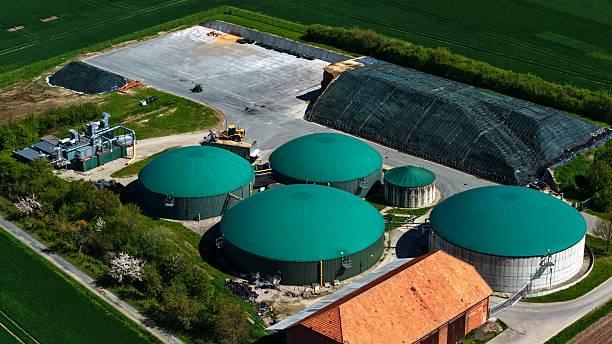
Latin America’s waste-to-energy landscape is being shaped by rising municipal waste generation, landfill saturation, urbanization, and the need for more resilient energy systems. Cities across Brazil, Mexico, Colombia, Argentina, Chile, and other economies are facing pressure to reduce unmanaged waste while improving treatment capacity. In this context, energy recovery is becoming part of a broader municipal infrastructure discussion.
According to MarkNtel Advisors, the Latin America Waste to Energy Market was valued at around USD 410 million in 2025 and is projected to reach USD 780 million by 2032, growing at nearly 9.62% CAGR during 2026–2032. The sector is expected to reach USD 780 million as governments and private operators assess municipal solid waste treatment, thermal conversion, biomethane, and landfill-gas recovery.
Municipal Waste Is the Leading Feedstock
Municipal solid waste is the leading type in Latin America’s waste-to-energy ecosystem, holding around 57% share in the MarkNtel study. This reflects the large, predictable waste volumes generated by major cities such as São Paulo, Mexico City, Bogotá, Buenos Aires, and Santiago. Concentrated MSW streams can support energy recovery projects where feedstock quality, collection systems, and municipal contracts are well managed.
The World Bank’s solid waste management work highlights how waste systems affect public health, urban services, climate resilience, and local government capacity. For Latin America, stronger waste collection, segregation, and treatment models are necessary before energy recovery can deliver reliable environmental and economic outcomes.
Thermal Technology Still Holds a Strong Position
Thermal technology accounted for around 54% share in Latin America’s waste-to-energy space, according to the MarkNtel report. Incineration, gasification, and pyrolysis can process residual waste while generating electricity, heat, refuse-derived fuel, or steam. These systems are especially relevant in dense urban areas where landfill space is limited and waste transport distances are increasing.
The UNEP Global Waste Management Outlook emphasizes that sustainable waste systems should follow a hierarchy that prioritizes prevention, reuse, recycling, recovery, and safe disposal. This matters because thermal waste-to-energy should be used for residual material after recyclable and organic streams are separated wherever possible.
Biomethane and Anaerobic Digestion Are Gaining Attention
A notable trend in Latin America is the shift toward anaerobic digestion and biomethane. Organic waste, landfill gas, wastewater sludge, and agricultural residues can be converted into biogas, which may then be upgraded into biomethane. This pathway is attractive because it can reduce methane emissions while generating renewable gas for electricity, transport, industrial use, or grid injection.
The Climate and Clean Air Coalition’s methane work is relevant because methane mitigation is a major climate priority, especially from landfills, wastewater, and organic waste. For Latin America, biogas and biomethane projects can connect waste management with climate action when they are supported by credible monitoring, financing, and offtake systems.
Policy Support Is Improving Project Visibility
Governments across the region are beginning to create clearer policy pathways for waste-to-energy and renewable gas. Colombia recognizes energy from non-recyclable municipal waste as a renewable source under its energy framework, while Brazil has outlined long-term thermal waste-to-energy capacity targets. Argentina has also advanced landfill-gas and methane-capture initiatives linked with carbon-credit mechanisms.
The ECLAC work on sustainable development provides regional context for climate, infrastructure, and resource-efficiency priorities. Waste-to-energy fits into this discussion where it reduces uncontrolled disposal, improves sanitation, and supports local energy systems without weakening recycling or circular economy goals.
Financing and Governance Remain Key Barriers
High infrastructure cost remains one of the biggest restraints. Modern waste-to-energy plants require strong capital investment, emissions-control systems, feedstock guarantees, grid access, and long-term municipal agreements. In many Latin American cities, low gate fees, fragmented waste services, and informal recycling networks can make project economics more difficult.
The Inter-American Development Bank’s urban development work highlights the importance of sustainable infrastructure, planning, and municipal capacity in Latin American cities. For waste-to-energy, governance quality is often as important as technology choice because projects depend on collection systems, contracts, tariffs, permitting, and public trust.
Outlook for Latin America’s Waste-to-Energy Pathway
Latin America’s waste-to-energy sector is likely to expand as cities face rising waste volumes, landfill constraints, and pressure to reduce methane emissions. Brazil is expected to remain a leading country due to its large urban population, policy activity, and infrastructure base.
The next phase will depend on balanced planning. Waste-to-energy can support landfill diversion and energy recovery, but it works best within integrated systems that prioritize waste reduction, recycling, organics recovery, emissions control, and transparent municipal governance.
Latin America Industrial Gases and the Backbone of Resource-Led Manufacturing
Latin America’s industrial gases landscape is closely tied to mining, metals, steelmaking, refining, chemicals, healthcare, food processing, and energy-transition activity. Oxygen, nitrogen, argon, hydrogen, carbon dioxide, helium, and specialty gases support essential industrial processes across extraction, smelting, welding, inerting, purification, cooling, packaging, and medical care. As regional economies modernize industrial capacity, reliable gas supply is becoming increasingly important.
According to MarkNtel Advisors, the Latin America Industrial Gases Market was valued at around USD 8.75 billion in 2025 and is projected to reach USD 11.88 billion by 2032, growing at nearly 4.47% CAGR during 2026–2032. The USD 11.88 billion by 2032 outlook reflects expanding demand from mining, steelmaking, metals, energy-transition projects, healthcare, automotive, and packaged food applications.
Mining and Metals Anchor Regional Demand
Mining, steelmaking, and metals account for around 24% share in the Latin America industrial gases ecosystem, according to the MarkNtel study. This reflects the region’s strong mineral base across Chile, Peru, Brazil, Mexico, Argentina, and Colombia. Oxygen, nitrogen, argon, and hydrogen are used in ore processing, smelting, refining, furnace operations, flotation, and downstream metallurgical activities.
The World Bank’s mining overview highlights how extractive industries influence investment, infrastructure, employment, and resource governance. For Latin America, industrial gases are closely connected with this resource base because mining and metals facilities require dependable process gases to improve recovery rates, maintain safety, and support high-temperature industrial operations.
Oxygen Holds the Largest Gas Share
Oxygen is identified as the leading gas type in the MarkNtel report. Its role is especially important in steelmaking, non-ferrous metals, refining, healthcare, combustion, and wastewater treatment. In heavy industries, oxygen can improve furnace efficiency and combustion performance, while in healthcare, medical oxygen remains essential for hospitals, emergency care, and respiratory support.
The World Health Organization’s oxygen resources emphasize oxygen’s role in health systems and clinical care. This makes oxygen demand more resilient than purely cyclical industrial gases, particularly as Latin American countries continue expanding healthcare access and hospital capacity beyond major urban centers.
Chemicals and Energy Transition Add Growth Layers
Latin America’s chemicals, refining, fertilizers, and hydrogen-linked projects are creating additional demand for high-purity gases. Hydrogen is used in refining and chemical synthesis, nitrogen supports inerting and blanketing, and carbon dioxide is widely used in food and beverage applications. As industrial corridors expand, gas suppliers are investing in air separation, purification, liquefaction, and onsite supply systems.
The International Energy Agency’s hydrogen analysis is relevant because hydrogen is increasingly connected with lower-emission industrial pathways. Brazil’s green hydrogen pilots and regional clean-fuel projects may increase demand for oxygen, hydrogen handling systems, and related industrial gas infrastructure over time.
Brazil Leads the Regional Landscape
Brazil dominates the Latin America industrial gases space, supported by its metals, refining, chemicals, healthcare, food processing, and energy-transition sectors. Its large industrial base creates continuous demand for bulk supply, onsite generation, packaged gases, and specialty gas applications. Mexico, Chile, Argentina, Colombia, and Peru also contribute through automotive, mining, petrochemicals, electronics, and food-processing demand.
The Inter-American Development Bank’s industry and infrastructure work provides wider context for regional industrial competitiveness, technology adoption, and innovation. Industrial gas infrastructure fits within this agenda because stable process inputs can support productivity, safety, and modernization across resource-based and manufacturing sectors.
Supply Reliability and Safety Remain Critical
Industrial gases require complex logistics, including cylinders, bulk liquid delivery, cryogenic storage, onsite generation, pipelines, and plant-level safety systems. Supply disruptions can affect steel plants, mines, hospitals, refineries, and food processors. This makes reliability, storage capacity, and local production networks important considerations for both suppliers and end users.
The ISO gas cylinder standards catalogue provides technical references for safe storage and handling systems. As packaged gases, bulk supply, and onsite generation expand across Latin America, safety standards will remain central to reducing operational risk and supporting confidence among industrial, medical, and commercial users.
Outlook for Latin America’s Industrial Gases Ecosystem
Latin America’s industrial gases sector is expected to grow steadily as mining, metals, healthcare, food and beverages, refining, and clean-energy activity expand. The projected increase from USD 8.75 billion in 2025 to USD 11.88 billion by 2032 suggests stable demand across both traditional and emerging applications.
The next phase will depend on mining investment, supply-chain resilience, onsite generation, safety compliance, hydrogen-linked opportunities, and industrial modernization. Industrial gases may remain largely invisible to final consumers, but they are essential to how Latin America extracts, manufactures, preserves, treats, and transitions toward cleaner production systems.