


An Analysis of Mexico's Environmental Regulation Framework and Its Implications for Sustainable Manufacturing
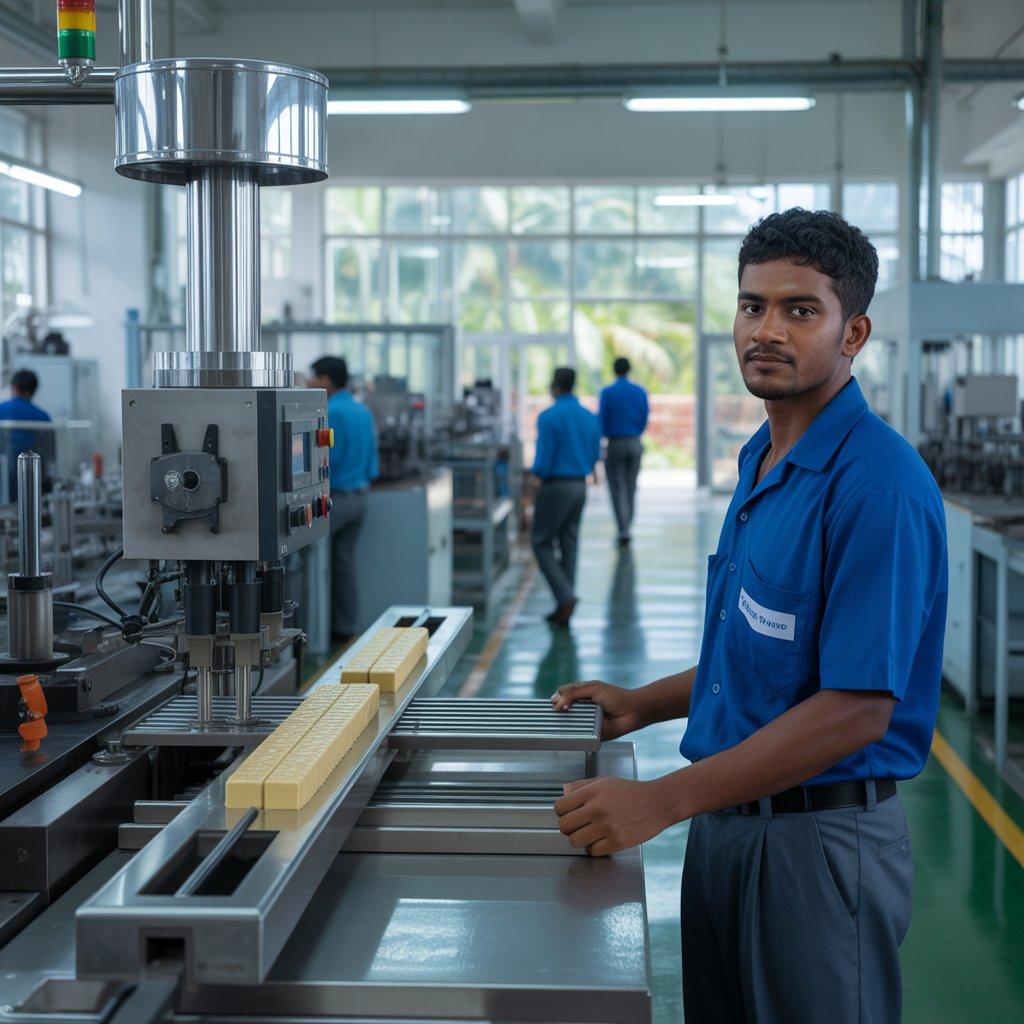
Mexico has emerged as one of the world's most significant manufacturing destinations, supported by its strategic location, extensive industrial infrastructure, and strong trade integration with North America. As global companies continue expanding nearshoring initiatives, environmental performance has become an increasingly important consideration alongside production quality, cost efficiency, and supply chain resilience. International customers now expect manufacturers to demonstrate not only regulatory compliance but also a commitment to sustainable manufacturing practices that support long-term operational stability.
For foreign OEMs, procurement professionals, and supply chain managers, understanding Mexico's environmental regulation framework is essential when evaluating manufacturing partners. The country's regulatory system influences how manufacturers manage emissions, water resources, hazardous waste, environmental risk, and sustainability initiatives. This analysis examines the structure of Mexico's environmental governance, the regulatory standards affecting industrial operations, and the broader implications for organizations seeking resilient and responsible manufacturing partnerships.
Mexico's Environmental Regulation Framework: Structure and Governance
Mexico's environmental regulation framework is designed to balance industrial growth with environmental protection through a combination of legislation, regulatory oversight, and technical standards. Manufacturing organizations operating within the country must comply with federal environmental laws while also observing applicable state and municipal requirements depending on the location and nature of their operations.
The principal authority responsible for environmental policy is the Secretariat of Environment and Natural Resources (SEMARNAT). The agency develops environmental regulations, administers permitting systems, establishes national sustainability policies, and oversees programs related to pollution prevention, biodiversity conservation, natural resource management, and environmental protection.
Compliance oversight and enforcement are carried out by the Federal Attorney for Environmental Protection (PROFEPA). Through inspections, investigations, and regulatory monitoring, PROFEPA helps ensure industrial facilities comply with applicable environmental legislation.
Industrial water management is regulated by the National Water Commission (CONAGUA), which oversees water extraction permits, wastewater discharge requirements, and responsible water resource management.
Manufacturers are also expected to comply with Normas Oficiales Mexicanas (NOMs), or Mexican Official Standards. These technical regulations establish environmental requirements for specific industrial activities, including air emissions, wastewater treatment, hazardous waste handling, chemical management, industrial pollutants, and environmental monitoring.
Together, these institutions create a governance framework that supports environmental accountability throughout Mexico's manufacturing sector.
Regulatory Requirements Affecting Manufacturing Operations
Environmental regulations influence manufacturing organizations throughout the entire production lifecycle, from facility planning and operational management to environmental reporting and continuous improvement.
Many industrial projects require environmental permits before construction, expansion, or significant operational changes. Depending on manufacturing activities, organizations may need authorizations related to atmospheric emissions, wastewater discharge, hazardous waste generation, or environmental impact.
Air quality management remains one of the primary areas of environmental regulation. Manufacturing facilities generating emissions are expected to monitor applicable pollutants, maintain pollution control systems, and comply with technical environmental standards.
Water management has become increasingly significant as manufacturers seek to balance production requirements with responsible resource utilization. Compliance often includes monitoring industrial water consumption, operating wastewater treatment systems where applicable, and maintaining discharge permits.
Hazardous waste management requires structured procedures covering waste identification, storage, transportation, treatment, documentation, and environmentally responsible disposal.
Manufacturers are also expected to maintain accurate environmental documentation, including permits, monitoring records, inspection reports, employee training documentation, corrective actions, and compliance records. These records support both regulatory oversight and customer sustainability assessments.
Rather than functioning independently, these regulatory obligations are increasingly integrated into broader operational management systems.
The Expanding Role of Sustainability in Industrial Manufacturing
While environmental regulations establish legal obligations, sustainability initiatives increasingly influence manufacturing strategy and competitive positioning.
Many multinational corporations have established environmental objectives that extend across their supplier networks. Consequently, manufacturers operating in Mexico are expected to demonstrate responsible environmental management practices that go beyond minimum regulatory compliance.
Energy efficiency continues to receive considerable attention as manufacturers modernize equipment, optimize production processes, and improve operational efficiency. These initiatives often support both environmental performance and long-term cost management.
Water conservation has likewise become an operational priority. Manufacturers increasingly implement recycling technologies, wastewater reuse systems, improved monitoring capabilities, and resource optimization strategies designed to reduce water consumption.
Waste reduction programs emphasize minimizing material usage, increasing recycling, recovering reusable resources, and supporting circular economy principles wherever practical.
Manufacturers also continue investing in cleaner production technologies that improve process efficiency while reducing emissions and other environmental impacts.
These sustainability initiatives strengthen operational resilience while helping manufacturers align with evolving customer expectations.
International Standards Are Raising Governance Expectations
Global supply chains increasingly encourage manufacturers to implement internationally recognized environmental management systems alongside domestic regulatory compliance.
One of the most widely adopted frameworks is International Organization for Standardization's ISO 14001. The framework provides organizations with structured processes for identifying environmental risks, maintaining legal compliance, establishing measurable objectives, conducting internal audits, and pursuing continual improvement.
Although ISO 14001 certification remains voluntary for most manufacturers, its systematic approach supports stronger environmental governance while increasing confidence among international customers.
OEMs and procurement teams frequently evaluate suppliers by reviewing environmental governance practices such as:
-
Environmental permits and regulatory compliance.
-
Internal environmental audit programs.
-
Water management initiatives.
-
Waste management procedures.
-
Energy efficiency improvements.
-
Employee environmental training.
-
Continuous improvement systems.
These governance indicators provide valuable insight into how manufacturers manage environmental responsibilities across their operations.
Organizations with mature environmental management systems are often better prepared for customer audits, regulatory inspections, and changing sustainability expectations.
Business Implications for Foreign OEMs and Procurement Teams
Environmental regulation has become an increasingly important consideration during supplier qualification and long-term supply chain management.
Procurement professionals recognize that environmental compliance supports operational continuity by reducing risks associated with regulatory enforcement, permitting delays, or environmental incidents. Suppliers with organized environmental governance systems often demonstrate stronger documentation, clearer accountability, and more consistent operational controls.
Environmental transparency has also become increasingly important as multinational organizations expand sustainability reporting throughout global supply chains. Buyers frequently request documentation related to environmental management systems, regulatory compliance, resource management, and continuous improvement initiatives.
Rather than evaluating sustainability independently, procurement teams increasingly consider environmental governance alongside quality management, production capability, financial stability, cybersecurity, and operational risk.
This broader evaluation supports more resilient sourcing strategies while strengthening long-term supplier relationships.
Preparing Manufacturing Organizations for Future Environmental Expectations
Environmental regulations and sustainability expectations are expected to continue evolving as industries pursue greater environmental responsibility.
Manufacturers can strengthen long-term resilience by integrating environmental management into strategic planning, operational governance, employee education, and enterprise risk management. Continuous monitoring of regulatory developments, periodic internal audits, comprehensive documentation, and investment in efficient production technologies all contribute to sustainable compliance.
Digital environmental monitoring systems are further improving organizational capabilities by supporting emissions tracking, resource management, environmental reporting, and data-driven decision-making.
Organizations that establish flexible environmental governance systems are generally better positioned to adapt to future regulatory developments while maintaining customer confidence and operational continuity.
Sustainable manufacturing increasingly depends upon the ability to integrate environmental responsibility into everyday business management rather than treating compliance as a separate administrative function.
Conclusion
Mexico's environmental regulation framework provides manufacturers with a comprehensive system for managing environmental responsibilities while supporting sustainable industrial development. As global supply chains place greater emphasis on environmental performance, manufacturers are increasingly expected to integrate regulatory compliance, operational governance, and continuous sustainability improvement into their business practices. For foreign OEMs, procurement professionals, and supply chain leaders, understanding this framework supports more informed supplier evaluation, stronger risk management, and resilient sourcing decisions. Remaining informed about Mexico's evolving environmental landscape will continue to be essential for successful manufacturing partnerships.