Car Inspection Checklist Before Buying Used Car in Pakistan
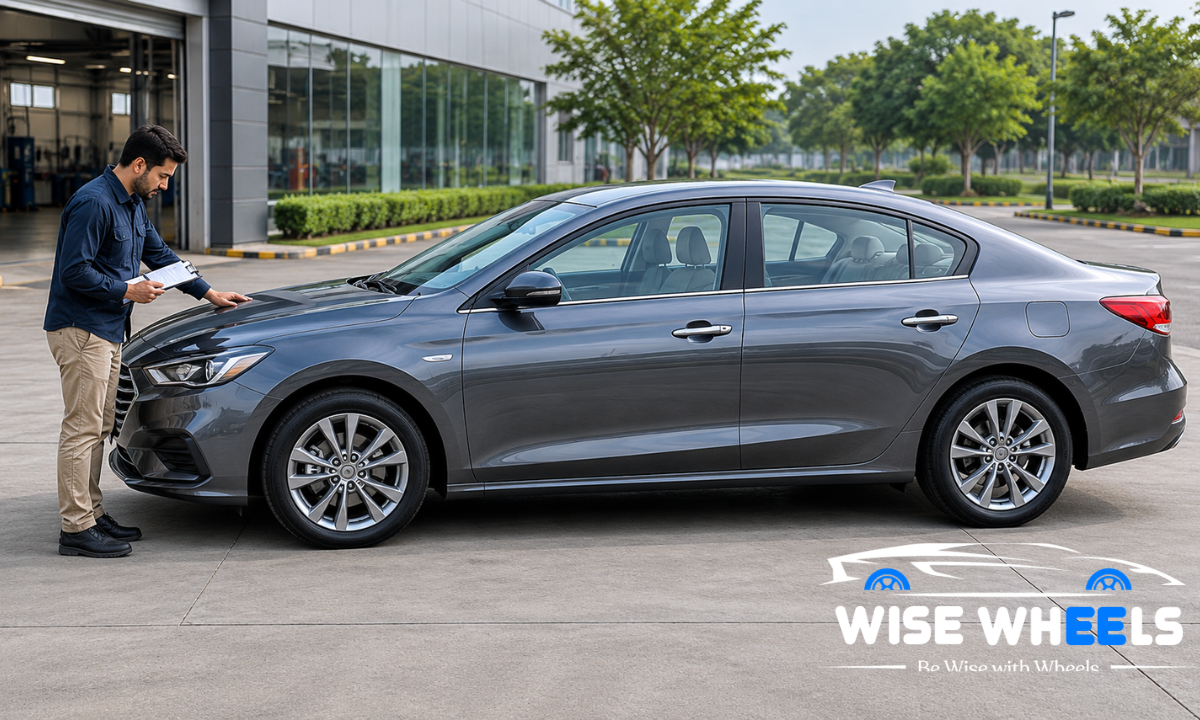
Buying a used car in Pakistan can feel exciting at first. You see a clean-looking car, the seller sounds confident, and the price seems reasonable. But anyone who has spent time in the local car market knows one thing clearly: looks can be misleading. A car may shine from the outside and still hide accident repairs, engine issues, meter tampering, weak suspension, or expensive electrical problems.
In cities like Lahore, Karachi, Islamabad, Faisalabad, Rawalpindi, Multan, and Peshawar, the used car market is huge. You can find everything from a small Suzuki Alto to a Toyota Corolla, Honda Civic, Suzuki Cultus, Daihatsu Mira, Toyota Aqua, Honda City, or imported Japanese cars. The choice is wide, but so are the risks. Many buyers make the mistake of trusting only the seller’s words or taking a short test drive. Later, they end up spending thousands on repairs.
That is why a proper Car inspection matters before buying any used vehicle in Pakistan. It helps you understand the real condition of the car, check whether the asking price is fair, and avoid a bad deal. A little time spent before purchase can save you from a lot of stress after purchase.
Why Car Inspection Is Important Before Buying a Used Car
A used car has already lived a life before reaching you. It may have been driven carefully by one owner, or it may have been roughly used on broken roads, flooded streets, long routes, or daily traffic jams. Without inspection, you cannot know the full story.
In Pakistan, many cars are repainted before sale to look fresh. Some sellers also repair accident damage in a way that is not easy to notice at first glance. A professional-looking polish can hide scratches, faded paint, and minor dents. Even the interior can be cleaned deeply to make the car look less used than it actually is.
Car inspection gives you a clear picture. It helps you check the body, engine, suspension, tyres, documents, interior, electronics, and overall drive. More importantly, it gives you confidence while negotiating the price. When you know the faults, you can either reduce the price or walk away.
Check the Car Documents First
Before touching the engine or checking the paint, start with the documents. This is one of the most important steps when buying a second-hand car in Pakistan. A car with weak documents can create serious trouble later, even if its condition is good.
Check the registration book or smart card carefully. The engine number and chassis number must match the numbers on the vehicle. Also check the owner’s name, registration city, model year, and tax status. If the car is registered in another province, make sure you understand the transfer process and any extra costs involved.
Ask for the original file if it is available. In many cases, especially with older vehicles, the original file matters a lot. You should also check whether the car has a duplicate book, duplicate number plates, or any police record. A duplicate book is not always a deal-breaker, but it does affect resale value and should be clearly reflected in the price.
For imported cars, check the auction sheet if possible. Some sellers show fake auction sheets, so do not rely on it blindly. Match details like grade, mileage, chassis number, and import year. If the seller avoids showing documents or gives unclear answers, take it as a warning sign.
Inspect the Exterior Body Carefully
The body condition tells a lot about a used car. Stand a few feet away and look at the car from different angles. Do this in daylight because evening lights or showroom lighting can hide paint differences.
Look at the doors, bonnet, roof, fenders, bumpers, and trunk. If one panel looks brighter or duller than the rest, it may have been repainted. Repaint is common in Pakistan, especially because of traffic scratches and minor accidents, but major accident repair is a different matter.
Check the gaps between panels. The space between the bonnet and fenders, doors and pillars, and trunk and rear panels should look even. Uneven gaps can mean the car was hit and repaired. Open and close all doors. They should close smoothly without extra force. If a door feels heavy, makes noise, or does not align well, there may be hidden damage.
Also check the roof and pillars. A car with repainted doors or bumpers can still be acceptable, depending on price. But damage to pillars, chassis, or roof is serious because it affects safety and resale value.
Look for Rust and Water Damage
Rust is a common issue in coastal cities like Karachi, but it can happen anywhere if the car has been exposed to water, poor repairs, or neglect. Check the lower edges of doors, wheel arches, boot floor, engine bay, and underbody.
Lift the floor mats and check the carpet. If it smells damp or feels wet, the car may have leakage or flood history. In Pakistan, cars can suffer water damage during heavy rains, especially in cities where roads flood quickly. Water-damaged cars often develop electrical problems later.
Check the spare tyre area in the trunk. If you see rust, mud marks, or signs of water standing there, ask questions. Also look under the dashboard if possible. Rust on metal brackets or unusual moisture inside the cabin can be a bad sign.
Check the Engine Condition
The engine is the heart of the car, and engine repairs can be expensive. Start the car when the engine is cold. A seller may warm up the car before you arrive to hide starting issues, weak battery, smoke, or engine noise. If possible, ask the seller not to start the car before your visit.
When the engine starts, listen carefully. It should start smoothly without long self-start, knocking, or rough vibration. Some vibration is normal in older cars, but heavy shaking is not a good sign. Open the bonnet and listen for unusual ticking, knocking, or belt noises.
Check for smoke from the exhaust. Blue smoke may mean engine oil burning. White smoke after the engine is fully warm can indicate a serious issue. Black smoke often points to fuel mixture problems, dirty sensors, or poor tuning.
Look around the engine bay for oil leakage. A little dust is normal, but fresh oil around the tappet cover, timing cover, or lower engine area should be checked. Also check coolant level and colour. If the radiator has rusty water instead of proper coolant, the cooling system may be poorly maintained.
Check Engine Oil and Fluids
Engine oil can reveal a lot. Pull out the dipstick and check the oil level and colour. Very black oil may show poor maintenance, although diesel engines usually make oil dark quickly. Thick sludge on the oil cap is a bad sign. Milky oil can mean water mixing with oil, which may happen due to a head gasket issue.
Check the brake oil, power steering fluid if the car has hydraulic steering, transmission oil, and coolant. Low fluid levels can mean leakage or poor care. In automatic cars, transmission oil is very important. If it smells burnt or looks too dark, the gearbox may have suffered.
A used car with a clean service history is always better. Ask for maintenance records, oil change receipts, or workshop history. Many owners do not keep records, but if someone does, it shows responsible ownership.
Examine the Transmission
Transmission problems are costly, especially in automatic cars, CVT vehicles, and imported Japanese models. During the test drive, gear shifting should feel smooth. In a manual car, the clutch should not feel too hard or too high. If the engine revs but the car does not pick speed properly, the clutch may be weak.
In automatic cars, shift from P to R, then D, and notice any delay or jerk. A small movement can be normal, but a strong jerk is not. During driving, the car should change gears smoothly. CVT cars should accelerate without vibration, slipping, or whining noise.
For cars like Toyota Vitz, Honda City Prosmatec, Toyota Aqua, Suzuki Wagon R automatic, or Nissan Dayz, gearbox inspection is very important. A cheap deal can become expensive if the transmission needs repair after purchase.
Test the Suspension on Rough Roads
Pakistani roads are not always kind to cars. Potholes, speed breakers, broken streets, and uneven roads can damage suspension parts over time. During the test drive, take the car on a slightly rough patch if possible.
Listen for sounds from the front and rear suspension. Knocking, clunking, or squeaking sounds may come from worn bushes, ball joints, shocks, or link rods. The car should not bounce too much after crossing a speed breaker. If it feels unstable or floats on the road, the shock absorbers may be weak.
Also check steering response. The car should go straight when the steering is held lightly on a flat road. If it pulls to one side, it may need alignment, tyres, suspension work, or could have accident damage.
Inspect the Tyres and Rims
Tyres are often ignored, but they tell a lot about the car’s condition. Check the tyre brand, size, tread depth, and manufacturing date. Old tyres may look fine but can be unsafe at high speed.
Uneven tyre wear can point to alignment problems, suspension issues, or careless driving. If the inner side of the tyre is more worn than the outer side, do not ignore it. Also check whether all tyres are of the same size. Mismatched tyres can affect comfort, braking, and fuel average.
Look at the rims as well. Bent or repaired rims may cause vibration while driving. Alloy rims should be checked for cracks, especially if the car has low-profile tyres.
Check the Interior Condition
The interior shows how the car was used. A neat interior does not always mean a perfect car, but rough seats, broken panels, missing buttons, and dirty carpets can show careless ownership.
Check the dashboard, seats, roof lining, door panels, steering wheel, gear knob, and pedals. If the meter shows low mileage but the steering, pedals, and seats are heavily worn, the odometer may have been reversed. Meter tampering is unfortunately common in the used car market.
Sit in all seats and check comfort. Open and close windows. Test seat adjustment, mirrors, central locking, infotainment system, speakers, interior lights, and charging ports. In modern cars, even small electronic faults can become annoying and costly.
Test the Air Conditioning
Air conditioning is not a luxury in Pakistan; it is a necessity. Whether you are driving in Lahore’s summer traffic or Karachi’s humid weather, weak AC can make daily driving difficult.
Turn on the AC and let it run for a few minutes. Cooling should start quickly. Check all vents and fan speeds. Listen for compressor noise. If the seller says the AC “just needs gas,” be careful. Sometimes this simple line hides compressor problems, leakage, condenser damage, or electrical faults.
Also check whether the car heats up when the AC is running. Some cars behave normally without AC but start overheating in traffic with AC on. This can point to radiator, fan, thermostat, or cooling system issues.
Take a Proper Test Drive
A short drive inside a street is not enough. Try to drive the car at low speed, medium speed, and if safe, a little higher speed. Notice engine response, braking, steering, suspension, gear shifting, and cabin noise.
The brakes should feel firm, not too soft or spongy. If the steering vibrates during braking, the brake discs may be uneven. If the car vibrates at higher speed, tyres, rims, wheel balancing, or suspension may need attention.
Drive slowly over speed breakers and listen carefully. Then drive on a smooth road and check whether the cabin feels quiet and stable. A car that feels loose, noisy, or unstable may require hidden spending.
Verify Mileage and Service History
Mileage matters, but it is not the only thing that matters. A well-maintained car with higher mileage can be better than a low-mileage car with poor maintenance. Still, you should verify whether the mileage looks genuine.
Check the condition of the steering wheel, pedals, seats, gear lever, tyres, and service stickers. If a car claims only 45,000 km but the interior looks heavily used, ask questions. Imported cars should be checked through auction sheet details when available.
Service history is a big plus. Regular oil changes, timely filter replacement, good tyres, proper coolant, and quality parts show that the owner cared for the car. This is especially important for automatic, hybrid, and turbocharged vehicles.
Check Hybrid Battery in Hybrid Cars
Hybrid cars are popular in Pakistan because of better fuel economy. Toyota Aqua, Prius, Vezel, Fit Hybrid, and Corolla Hybrid are common examples. But the hybrid battery condition should be checked before buying.
A weak hybrid battery can reduce fuel average and performance. It can also cost a large amount to repair or replace. During the test drive, notice battery charging and discharging behavior. If the battery drops quickly or the engine keeps running too often, get it checked with a diagnostic scanner.
For hybrid cars, do not rely only on normal inspection. A computerized scan is highly recommended because many issues are not visible during a simple test drive.
Use an OBD Scanner
Modern cars store fault codes in their computer system. An OBD scanner can detect many issues related to engine sensors, ABS, airbags, transmission, hybrid system, and emissions.
Some sellers clear warning lights before showing the car. A scan can help reveal hidden or pending errors. For example, a check engine light may be off, but the system may still show sensor-related history. This does not always mean the car is bad, but it gives you more information before making a decision.
If you are buying an imported car, hybrid car, or expensive sedan, scanning is not optional. It is a smart step.
Compare the Asking Price With Market Value
Once you know the car’s condition, compare the price with the market. Prices in Pakistan vary based on city, registration, model, variant, colour, mileage, condition, demand, and transfer status.
A Lahore-registered car may have a different value than a Karachi or Islamabad-registered car. Popular colours like white, silver, and black often sell faster. Automatic variants usually have higher demand in big cities. Cars with original paint and verified history usually command better prices.
Do not fall for a price that is too low without asking why. Sometimes a cheap used car becomes expensive after repairs. On the other hand, do not overpay just because the seller says “full genuine” or “family used.” Let the inspection report guide your decision.
Do Not Rush the Deal
Many buyers make poor decisions because they rush. The seller may say another buyer is coming, or the price is only valid today. This pressure is common. A good car will stand up to inspection, and an honest seller usually does not mind reasonable checks.
Take your time. Visit in daylight. Bring someone experienced if you are not confident. Avoid making full payment before document verification and transfer process. If token money is required, write the terms clearly and keep proof.
A calm buyer makes better decisions. In the used car market, patience can save money.
Common Mistakes Buyers Make
One common mistake is trusting only the outer look of the car. Fresh polish, new seat covers, and shiny tyres can create a strong first impression, but they do not prove mechanical health.
Another mistake is skipping the test drive. Some buyers start the engine, check the AC, and finalize the deal. That is risky. Many problems only appear while driving.
Some people also ignore paperwork because the car belongs to a “known person.” Even then, proper verification is important. Friendship or reference does not replace documents.
A very common mistake is buying without checking resale value. Some cars are good but difficult to sell later because of rare parts, poor market demand, unusual colour, or expensive maintenance.
Final Thoughts
Buying a used car in Pakistan can be a good decision if you inspect it properly before paying. Check the documents, body, engine, suspension, tyres, interior, AC, electronics, and drive quality with patience. A clean inspection gives peace of mind, and a bad inspection can save you from a costly mistake.
For buyers who want extra confidence, choosing a trusted inspection and buying support service is a smart move. Wise Wheels Pakistan can be a helpful option when you want guidance before buying a used car and do not want to rely only on the seller’s claims.
FAQs
Q: What should I check first when buying a used car in Pakistan?
A: Start with the documents. Check the registration book or smart card, engine number, chassis number, tax status, transfer details, and original file if available. Once the paperwork looks fine, move toward the body, engine, suspension, and test drive.
Q: How do I know if a used car has been in an accident?
A: Look for uneven panel gaps, repaint signs, different paint shades, rough welding marks, damaged pillars, misaligned doors, and unusual noises while driving. A professional inspection can detect accident repair more accurately than a normal visual check.
Q: Is repaint a big issue in a used car?
A: Minor repaint on bumpers or doors is common in Pakistan and may not be a major issue if the price is fair. However, repaint on pillars, roof, engine bay, or major structural areas can affect safety and resale value.
Q: Should I buy a car with duplicate documents?
A: A car with duplicate documents is not always bad, but it has lower resale value and needs extra verification. Check why the duplicate was issued and confirm that the car has no legal or ownership problem.
Q: Is professional inspection worth it before buying a used car?
A: Yes, professional inspection is worth it, especially if you are buying an expensive car, automatic car, hybrid car, or imported vehicle. It can reveal hidden issues and help you negotiate the price with confidence.