


Bacillus Thuringiensis Demand and the Shift Toward Biological Pest Control
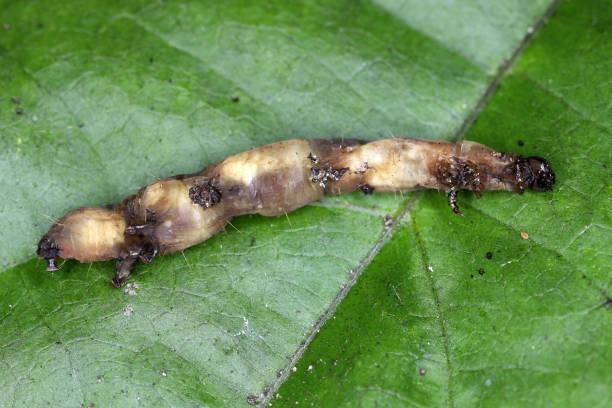
Bacillus thuringiensis, commonly known as Bt, has become an important biological pest-control tool as agriculture moves toward lower-residue and more targeted crop protection. Bt-based products are used against specific insect pests in crops, stored grains, public health programs, and integrated pest management systems. Their relevance is increasing as growers seek pest-control options that reduce dependence on broad-spectrum synthetic chemicals.
According to MarkNtel Advisors, the Global Bacillus Thuringiensis Market was valued at around USD 0.37 billion in 2025 and is projected to grow from USD 0.41 billion in 2026 to USD 1.17 billion by 2032, registering a CAGR of around 19% during 2026–2032. The CAGR of 19% reflects rising adoption of Bt formulations across organic farming, conventional agriculture, public health, and integrated pest management programs.
Sustainable Farming Is Supporting Bt Adoption
Agriculture is under pressure to improve productivity while reducing chemical residues, environmental risk, and resistance development. Bt fits into this shift because it works through naturally occurring bacterial proteins that target certain insect groups. The FAO’s sustainable agriculture work highlights the importance of farming systems that protect natural resources while maintaining food production.
Organic farming is a major demand driver because certified production systems often restrict the use of synthetic pesticides. As organic acreage expands globally, growers need biological inputs that can manage pests without violating certification requirements. Bt formulations are widely used in this context because they offer targeted insect control and can be integrated with other non-chemical practices.
Agriculture Remains the Leading End User
The agriculture segment accounted for around 52% share in 2026, according to the MarkNtel study. This reflects Bt’s broad use across cotton, maize, rice, fruits, vegetables, and other crops exposed to insect pressure. Farmers use Bt-based products to protect yields, reduce crop damage, and manage pests while limiting chemical pesticide exposure in the field.
Organic certification systems also influence Bt demand. The USDA organic certification framework explains how production standards guide inputs, practices, and compliance for organic agriculture. In this environment, Bt-based biopesticides remain relevant because they support residue-conscious farming and can be used as part of approved pest-management programs when they meet applicable standards.
Bt var. kurstaki Holds a Strong Position
Bt var. kurstaki represented around 35% share by strain in 2026, supported by its use against Lepidopteran pests such as caterpillars, armyworms, loopers, and moth larvae. These pests can damage high-value crops and reduce quality if not controlled effectively. The strain’s long commercial history and compatibility with integrated systems have helped build grower confidence.
The broader biopesticide category is also becoming more important in regulatory and agricultural discussions. The U.S. EPA’s biopesticides information explains how biopesticides can include naturally occurring substances, microorganisms, and plant-incorporated protectants. Bt sits within this wider biological crop-protection space, where product performance, safety assessment, and correct application remain central to adoption.
Integrated Pest Management Creates Wider Opportunity
Integrated Pest Management, or IPM, is a major opportunity area for Bt adoption. IPM combines biological, cultural, mechanical, and chemical tools to manage pests while reducing overreliance on any single method. The MarkNtel report notes that IPM-based farming systems accounted for around 32% share of Bt product demand in 2026, showing how strongly Bt aligns with modern pest-management strategies.
Bt also has relevance beyond crop agriculture. Some strains are used in mosquito and vector-control programs, especially where public health agencies need targeted larval control. The WHO’s vector-borne diseases guidance highlights the health burden caused by disease-carrying insects, reinforcing the importance of safe and effective vector-control tools in public health planning.
Shelf Life and Field Stability Remain Challenges
Despite strong demand, Bt products face practical limitations. The MarkNtel study identifies short shelf life and environmental sensitivity as key challenges. Bt spores and toxins can degrade under sunlight, rainfall, humidity, and high temperatures, which may reduce field persistence. This can require careful storage, correct timing, repeat applications, and better formulation technology.
These challenges make innovation important. Improved encapsulation, UV protection, liquid stability, dry formulations, precision spraying, and compatibility with digital agriculture tools can help strengthen Bt performance. The OECD’s work on agricultural innovation reflects the wider need for technology-led productivity gains in farming systems.
Outlook for Bt-Based Crop Protection
Asia-Pacific held around 35% share in 2026, supported by large agricultural acreage, organic farming growth, smallholder adoption, and Bt-based crop technologies. As food systems focus more on sustainability and residue management, Bt is likely to remain a key biological input across agriculture and pest-control programs.
The long-term direction will depend on balancing efficacy, affordability, farmer education, and product stability. Bt-based solutions are not a complete replacement for all pest-control methods, but they are becoming an important part of diversified, lower-residue, and more sustainable crop-protection strategies.