


How Entertainment Security Protects Venues, Guests, and Performers
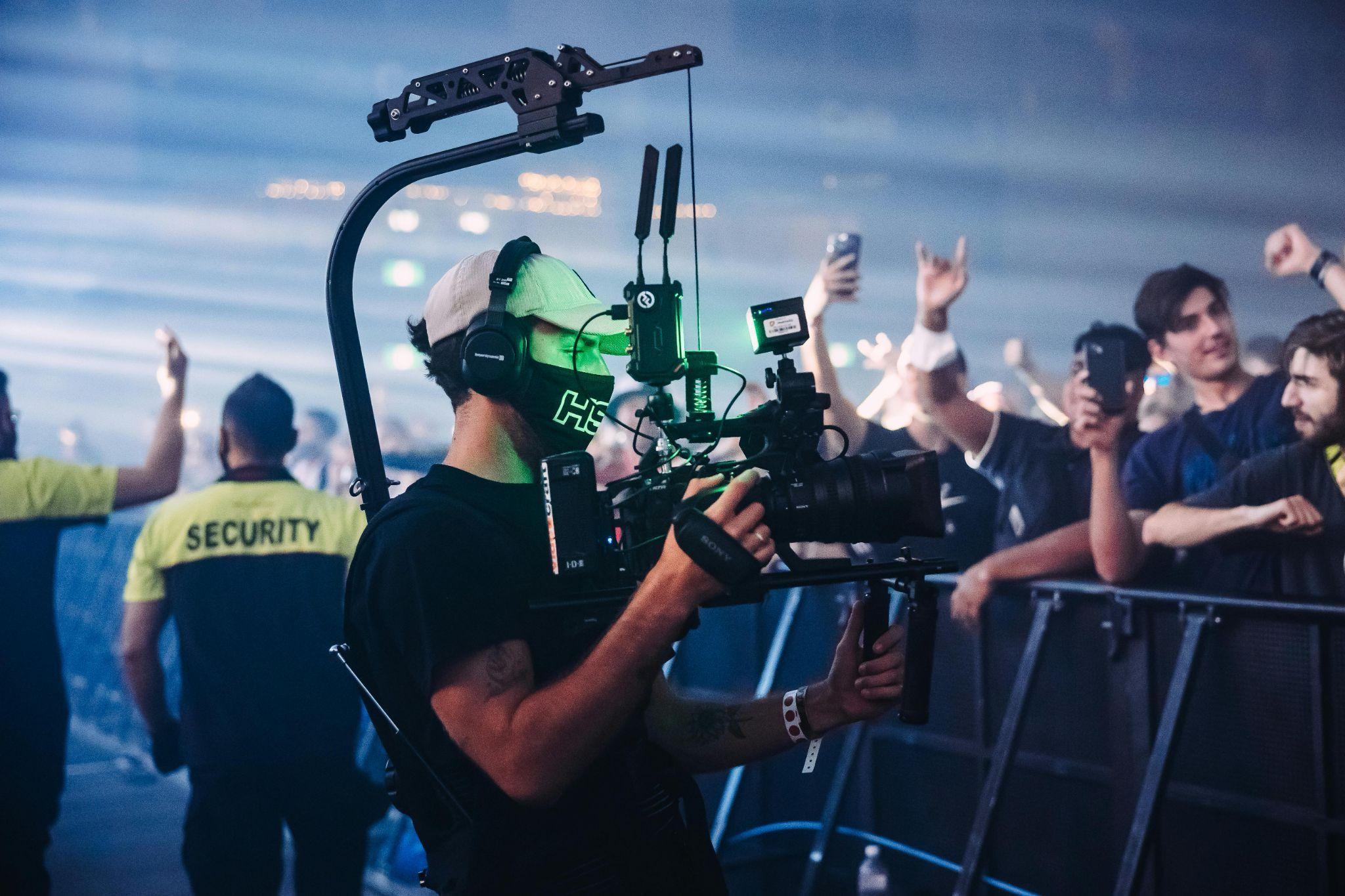
Entertainment venues bring people together for memorable experiences, including concerts, festivals, shows, nightlife events, and public performances. While these activities create excitement and enjoyment, they also require careful planning to maintain safety and order. Entertainment Security helps protect guests, performers, staff, and property by preventing risks, managing crowds, and responding to unexpected situations. A professional security approach allows entertainment venues to operate smoothly while creating a safer environment for everyone.
What Is Entertainment Venue Protection?
Entertainment venue protection involves security strategies designed for locations where people gather for leisure, performances, and social activities. These environments often include large crowds, valuable equipment, public access areas, and changing situations that require organized management.
Security professionals help venues maintain safety by monitoring activities, controlling entrances, assisting visitors, and responding to incidents. Their role includes preventing problems while ensuring guests can enjoy their experience comfortably.
Every entertainment location has different requirements, so security plans are customized based on the venue type, audience size, layout, and possible risks.
Common Security Challenges in Entertainment Locations
Entertainment venues face various challenges that require professional attention and preparation.
- Large crowds creating movement and safety concerns.
- Unauthorized access to restricted areas or backstage locations.
- Conflicts, disturbances, or emergencies during events.
Other issues may include lost belongings, medical situations, property protection, and managing guest behavior. Identifying these challenges helps venues prepare stronger safety procedures.
Why Security Planning Is Important for Entertainment Venues
Safety is one of the most important parts of a successful entertainment experience. Without proper preparation, unexpected situations can quickly affect guests, performers, and staff.
A complete security plan includes risk assessments, crowd management procedures, emergency response methods, and communication systems. These preparations help security teams handle incidents effectively while minimizing disruption.
Strong security planning also protects a venue’s reputation. Guests are more likely to return when they feel comfortable and confident in the safety measures provided.
How Entertainment Security Supports Safer Experiences
Entertainment venues require trained professionals who understand crowd behavior, public interaction, and emergency response. Entertainment Security provides skilled teams that monitor activities, protect important areas, and assist with maintaining order.
Security personnel manage entry points, check access permissions, patrol public areas, and respond to concerns throughout the venue. Their visible presence discourages unsafe behavior and helps create a controlled environment.
Security teams also work closely with venue managers, event staff, and emergency responders. This teamwork improves communication and ensures that any situation can be managed quickly.
From protecting performers to assisting guests, security professionals help maintain a balance between safety and enjoyment. Their support allows entertainment businesses to focus on delivering quality experiences while reducing potential risks.
Key Responsibilities of Entertainment Security Teams
Security personnel in entertainment environments handle several important duties.
- Monitor entrances, exits, and crowded areas.
- Assist guests while maintaining safety procedures.
- Respond to incidents and prepare accurate reports.
These responsibilities help venues operate efficiently while protecting everyone present.
The Importance of Trained Entertainment Security Professionals
Entertainment environments can change quickly, which makes training essential for security personnel. Professionals must understand communication, conflict management, emergency procedures, and crowd control techniques.
Experienced security teams know how to remain calm under pressure and handle difficult situations professionally. They can identify potential issues early and take action before problems become more serious.
Training also helps security professionals interact respectfully with guests. A friendly and professional approach improves the overall experience while maintaining proper safety standards.
Technology Supporting Entertainment Protection
Modern technology has improved security operations in entertainment venues. Surveillance cameras, communication devices, access control systems, and monitoring tools help teams improve awareness and response times.
Security technology allows professionals to observe activities, manage restricted areas, and maintain records of incidents. These systems support faster decision-making and improve coordination between different teams.
Digital tools also help venues review past events and identify ways to improve future security planning.
Although technology is valuable, trained professionals remain necessary because real situations require judgment, communication, and experience.
Best Practices for Entertainment Safety
Entertainment businesses can improve security by following structured safety procedures.
- Complete security assessments before events and performances.
- Train employees on emergency response responsibilities.
- Maintain communication between security and management teams.
These practices help venues prepare for different situations and create safer experiences for guests.
Creating Memorable Experiences Through Security
A successful entertainment event depends on more than performances and activities. Guests want to feel comfortable and protected while enjoying their time.
Professional security teams contribute by maintaining order, preventing disruptions, assisting visitors, and supporting emergency responses. Their work allows venues to provide enjoyable experiences without compromising safety.
Investing in security also shows that entertainment organizations value their audiences, employees, and performers. A secure environment strengthens trust and supports long-term success.
A well-managed security strategy helps entertainment venues maintain their reputation and continue attracting visitors.
Summary
Entertainment venues require strong protection strategies that combine trained professionals, modern technology, and effective planning. A reliable security approach helps prevent incidents, protect guests and performers, and maintain organized operations. Choosing a dependable Entertainment Security Service supports crowd management, emergency readiness, access control, and safer entertainment experiences.