


How Fire Detector and Carbon Monoxide Devices Improve Home Safety?
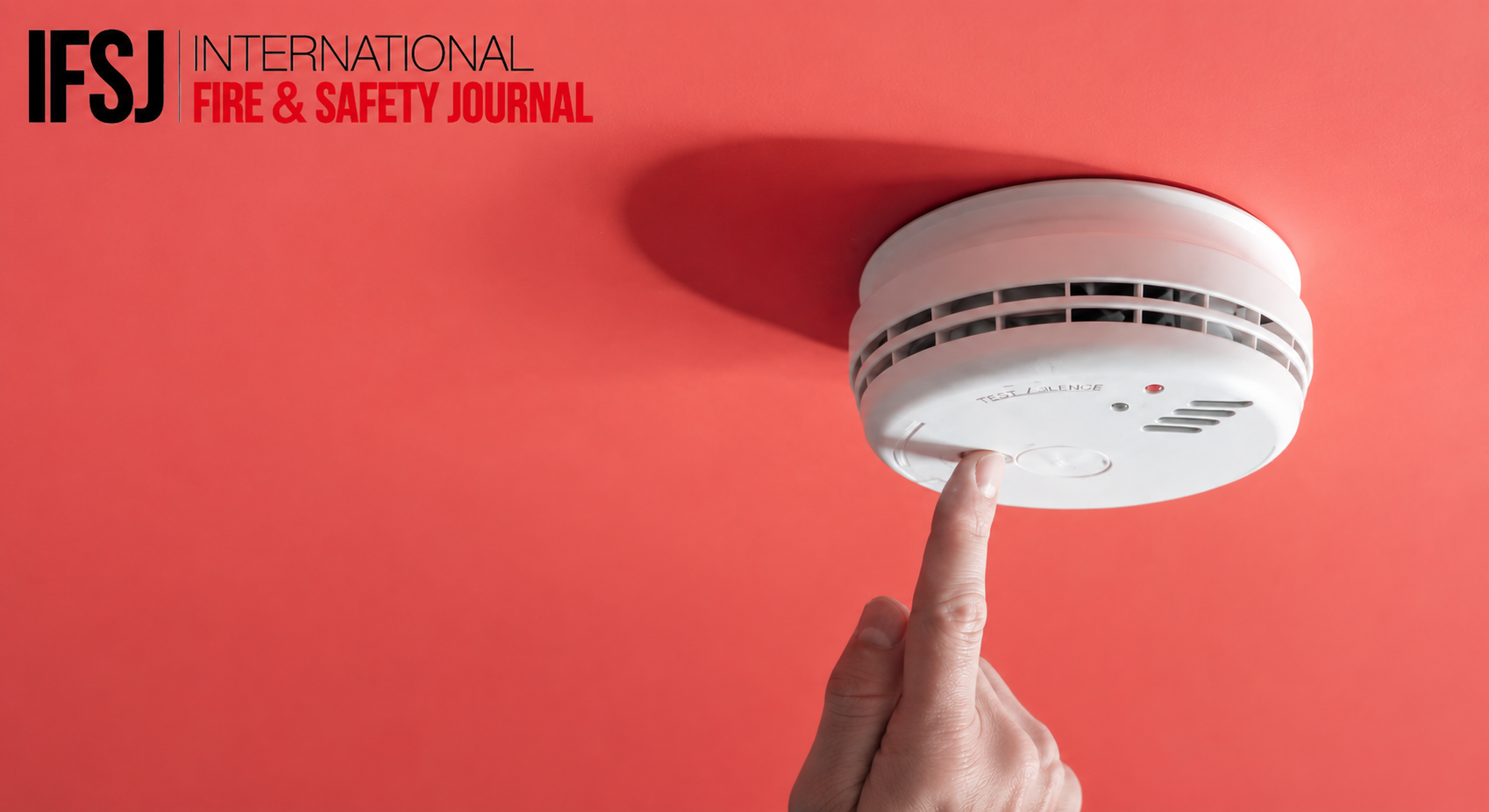
Home safety has become a growing priority for families as residential properties increasingly rely on electrical systems, heating equipment, and fuel-burning appliances. While homeowners often focus on physical security measures, protection against fire and toxic gas exposure is equally important. House fires can spread rapidly and cause extensive damage within minutes, while carbon monoxide remains an invisible threat that often goes unnoticed until symptoms appear.
Early detection plays a critical role in preventing injuries, fatalities, and costly property damage. Modern detection technologies provide timely alerts that allow occupants to take action before a situation escalates. By monitoring for smoke, heat, and dangerous gas levels, these devices form an essential layer of protection that supports a safer living environment for everyone in the home.
Understanding Fire and Carbon Monoxide Risks at Home
Residential fires and carbon monoxide incidents remain significant safety concerns worldwide. Common causes of household fires include faulty wiring, unattended cooking, overloaded electrical outlets, heating equipment malfunctions, and improper use of candles. Carbon monoxide, on the other hand, is produced when fuel-burning appliances such as furnaces, water heaters, fireplaces, and generators do not operate efficiently. Because the gas is colorless and odorless, occupants may not recognize its presence until they experience symptoms such as headaches, dizziness, or nausea. Without effective monitoring systems, both hazards can develop rapidly and place residents, pets, and property at considerable risk.
What Are Fire Detectors and Carbon Monoxide Devices?
Fire detection devices are designed to identify the early signs of combustion through smoke, heat, or flame detection technologies. Carbon monoxide detectors continuously monitor indoor air for dangerous concentrations of toxic gas and activate alarms when levels become unsafe. Together, these systems provide comprehensive protection against two of the most serious household hazards. Advances in sensor technology have improved reliability, reduced false alarms, and enabled smart connectivity features that allow homeowners to receive alerts even when they are away from the property.
How These Devices Improve Home Safety
Modern detection systems provide multiple layers of protection that help homeowners identify dangers early and respond effectively. Their ability to deliver timely alerts significantly improves safety outcomes during emergencies.
Providing Early Warning During Emergencies
A properly installed fire detector and carbon monoxide device can identify developing hazards before they become life-threatening. Early warnings provide valuable time for occupants to assess the situation, contact emergency services, and move to safety.
Supporting Faster and Safer Evacuations
Immediate alerts enable family members to react quickly during emergencies. Clear alarm signals help occupants follow established escape plans, reducing confusion and improving the likelihood of a safe evacuation from hazardous areas.
Reducing the Risk of Injuries and Fatalities
Prompt detection allows residents to avoid prolonged exposure to smoke, toxic gases, and dangerous fire conditions. Early intervention significantly lowers the risk of serious injuries and increases the chances of survival during emergencies.
Minimizing Property Damage Through Rapid Response
When hazards are identified early, homeowners can take action before extensive damage occurs. Faster emergency response times often help contain incidents, limiting structural damage and reducing costly repair expenses.
Enhancing Protection During Sleeping Hours
Many fire and gas-related incidents occur at night when occupants may not notice warning signs. Audible alarms provide continuous protection and can alert sleeping residents to dangers that would otherwise go undetected.
Key Features to Look for in Modern Detection Devices
Today's detection systems offer advanced capabilities that improve reliability, convenience, and overall safety performance. Understanding these features can help homeowners choose the most suitable solution for their needs.
Smart Alerts and Mobile Notifications
Connected devices can send real-time alerts directly to smartphones, allowing homeowners to receive notifications even when away from home and respond quickly to potential emergencies.
Interconnected Alarm Systems
Interconnected units communicate with one another throughout a property. When one device detects a hazard, all connected alarms activate simultaneously, ensuring occupants receive warnings regardless of their location.
Battery Backup Protection
Power outages can occur during emergencies, making backup power essential. Devices equipped with battery support continue operating even when the primary electrical supply is unavailable.
Voice Alert Functionality
Voice-enabled systems provide specific information about the type and location of a hazard. This additional guidance helps occupants make informed decisions and respond more effectively during emergencies.
Self-Testing and Maintenance Reminders
Advanced models perform automatic system checks and notify homeowners when maintenance is required. These features help ensure devices remain functional and ready to operate when needed.
Best Practices for Installation and Placement
Proper installation plays a vital role in ensuring detection devices perform effectively. Strategic placement increases the likelihood of identifying hazards at the earliest possible stage.
Install Devices on Every Level of the Home
Detection systems should be placed on each floor to provide comprehensive coverage and ensure occupants receive alerts regardless of where an incident occurs.
Position Units Near Sleeping Areas
Installing alarms outside bedrooms helps ensure sleeping occupants can hear warning signals and respond quickly during nighttime emergencies.
Avoid Locations That Cause False Alarms
Devices should not be installed too close to kitchens, bathrooms, or ventilation systems where steam, cooking fumes, or airflow may interfere with performance.
Follow Manufacturer Recommendations
Each device is designed with specific installation requirements. Following manufacturer guidelines helps optimize sensor performance and maintain compliance with safety standards.
Maintenance Tips for Reliable Performance
Regular maintenance ensures detection systems remain dependable and capable of providing accurate alerts throughout their operational lifespan.
Test Devices Regularly
Routine testing confirms alarms are functioning correctly and allows homeowners to identify potential issues before an emergency occurs.
Replace Batteries as Recommended
Battery-powered units require periodic battery replacement to maintain continuous operation and prevent unexpected failures.
Keep Sensors Clean
Dust, debris, and contaminants can affect sensor performance. Gentle cleaning helps maintain sensitivity and ensures accurate detection capabilities.
Replace Aging Units on Schedule
Detection technology gradually loses effectiveness over time. Replacing devices according to manufacturer recommendations helps maintain optimal protection levels.
Common Mistakes Homeowners Should Avoid
Even the most advanced safety systems can become less effective when installation, maintenance, or operational mistakes occur.
Ignoring Low-Battery Warnings
Many homeowners delay battery replacement after hearing warning chirps. Ignoring these alerts can leave a property vulnerable when protection is needed most.
Installing Too Few Devices
Insufficient coverage creates gaps in protection and may delay hazard detection in certain areas of the home.
Choosing Incorrect Installation Locations
Poor placement can reduce detection effectiveness and increase the likelihood of nuisance alarms that may lead occupants to ignore future warnings.
Neglecting Routine Maintenance
Failing to test and maintain devices regularly increases the risk of malfunction and reduces confidence in system reliability.
The Future of Home Safety Technology
Emerging technologies continue to improve residential safety by enhancing detection accuracy, connectivity, and user awareness.
Artificial Intelligence for Enhanced Detection
AI-powered systems can analyze environmental conditions more accurately, helping distinguish genuine threats from non-emergency situations and reducing false alarms.
Smart Home Integration
Detection devices increasingly integrate with broader home automation systems, enabling coordinated responses that improve safety and convenience.
Remote Monitoring Capabilities
Cloud-connected platforms provide homeowners with continuous visibility into system status and immediate notification of potential hazards.
Advanced Sensor Development
Ongoing innovations are improving detection speed, accuracy, and reliability, helping create safer residential environments for future generations.
Conclusion
Protecting a home requires more than locks and security cameras. Effective hazard detection is essential for reducing the risks associated with fire and toxic gas exposure. Early warning systems provide critical time for occupants to respond, evacuate, and seek assistance before conditions become dangerous. Proper installation, routine maintenance, and investment in modern technologies can significantly improve household safety. As highlighted by International Fire and Safety Journal, proactive safety measures remain one of the most effective ways to safeguard lives, property, and long-term peace of mind.
FAQs
1.Why are carbon monoxide detection devices important in homes?
They help identify dangerous levels of carbon monoxide, providing an early warning before occupants experience serious health effects.
2. How often should detection devices be tested?
Most manufacturers recommend testing alarms at least once a month to ensure proper operation.
3. Where should carbon monoxide detectors be installed?
They should be placed near sleeping areas and on every level of the home according to manufacturer recommendations.
4. How long do detection devices typically last?
Most units have a lifespan of seven to ten years, though specific replacement schedules vary by manufacturer.
5. Can smart detection devices send alerts to smartphones?
Yes. Many modern systems offer mobile connectivity and can provide real-time notifications when hazards are detected.