Colombia’s Specialty Fertilizer Demand Is Being Shaped by High-Value Crops and Nutrient Efficiency
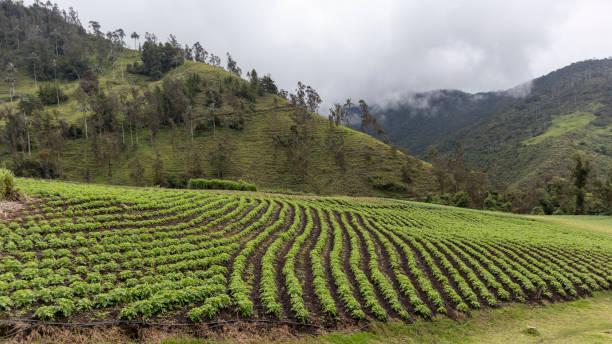
Colombia’s specialty fertilizer landscape is evolving as farmers focus on improving crop productivity, fruit quality, nutrient-use efficiency, and climate resilience. The country’s agricultural base includes coffee, bananas, flowers, cocoa, sugarcane, fruits, vegetables, cereals, and oilseeds, each requiring different nutrient strategies. Specialty fertilizers support this need through controlled-release formulations, water-soluble products, micronutrients, fertigation inputs, and crop-specific blends.
According to MarkNtel Advisors, the Colombia Specialty Fertilizer Market size was valued at around USD 1.3 billion in 2025 and is projected to reach USD 3.5 billion by 2032, registering a CAGR of around 17.45% during 2026–2032. The sector’s strong growth path reflects rising demand for controlled-release fertilizers, water-soluble products, primary nutrients, micronutrients, and precision-focused nutrient solutions across Colombia’s diverse farming regions.
Crop Diversity Creates Demand for Targeted Nutrition
Colombia’s agricultural conditions vary widely across altitude, rainfall, soil type, and crop system. Coffee farms in mountainous areas, banana plantations in coastal zones, flower production near urban export hubs, and vegetable systems in cooler highlands all require different nutrient programs. This diversity supports demand for specialty fertilizers that can be adjusted to specific crop stages and soil conditions.
The FAO notes that nutrient recommendations are often crop- and area-specific, making local guidance essential for effective fertilizer use. In Colombia, this supports the use of targeted nutrient products rather than broad fertilizer application alone.
Coffee and Export Crops Need Quality-Focused Inputs
Coffee remains one of Colombia’s most recognized agricultural products, and crop quality is closely tied to plant nutrition, soil health, water availability, and climate conditions. Specialty fertilizers can help support consistent flowering, fruit development, bean quality, and recovery after stress events. Similar quality requirements apply to bananas, avocados, cocoa, and cut flowers, where export standards can influence input choices.
The FAO Hand-in-Hand Initiative highlights Colombia’s focus on strengthening coffee in Cauca and cocoa in Huila as strategic agri-food value chains. These crops are important for rural livelihoods and export positioning, making efficient nutrient management a practical priority.
Fertigation and Water-Soluble Products Are Gaining Relevance
Water-soluble fertilizers are important for fertigation systems, greenhouse crops, nurseries, fruits, vegetables, and flowers. They allow nutrients to be delivered through irrigation systems with greater control over timing and concentration. This can improve nutrient uptake and reduce losses when properly managed.
In high-value crop systems, growers often require precise nutrition to maintain yield, appearance, shelf life, and uniformity. Fertigation-compatible products are especially useful where producers manage intensive cultivation and need consistent nutrient delivery throughout the growing cycle.
Primary Nutrients Still Lead, but Micronutrients Are Rising
Primary nutrient specialty fertilizers hold a leading position in Colombia, accounting for around 86.28% share in 2025, according to MarkNtel Advisors. Nitrogen, phosphorus, and potassium remain central to crop growth, root development, flowering, fruiting, and yield formation. However, secondary nutrients and micronutrients are becoming more important as growers pay closer attention to hidden deficiencies.
World Bank data shows Colombia’s fertilizer consumption at about 372.9 kilograms per hectare of arable land in 2023, reflecting the importance of nutrient inputs in the country’s farm systems. As farmers seek better results from each application, specialty formulations may support more efficient and balanced nutrient use.
Climate Variability Strengthens the Case for Efficient Inputs
Colombia’s farmers face climate-related challenges such as uneven rainfall, temperature changes, pests, and soil degradation. Specialty fertilizers cannot solve these challenges alone, but they can help crops recover from stress, improve nutrient availability, and support stronger root and canopy development. Controlled-release and stabilized fertilizers can also reduce nutrient losses under challenging moisture conditions.
The World Bank has long emphasized the importance of agricultural and rural development in Colombia’s economy, including the need to strengthen productivity and rural livelihoods. Efficient input use remains part of that broader productivity challenge.
A More Precision-Led Fertilizer Future
Colombia’s specialty fertilizer ecosystem is expected to remain closely linked to high-value crops, export agriculture, fertigation, greenhouse production, soil testing, and precision farming. Future demand will likely focus on water-soluble fertilizers, controlled-release products, micronutrient blends, crop-specific formulations, and advisory-backed nutrient programs.
As fertilizer costs, climate pressure, and quality standards remain important, farmers are likely to prioritize products that improve nutrient efficiency and crop performance. The next phase will depend on affordability, technical support, distribution access, and the ability of suppliers to provide practical solutions for Colombia’s diverse agricultural regions.